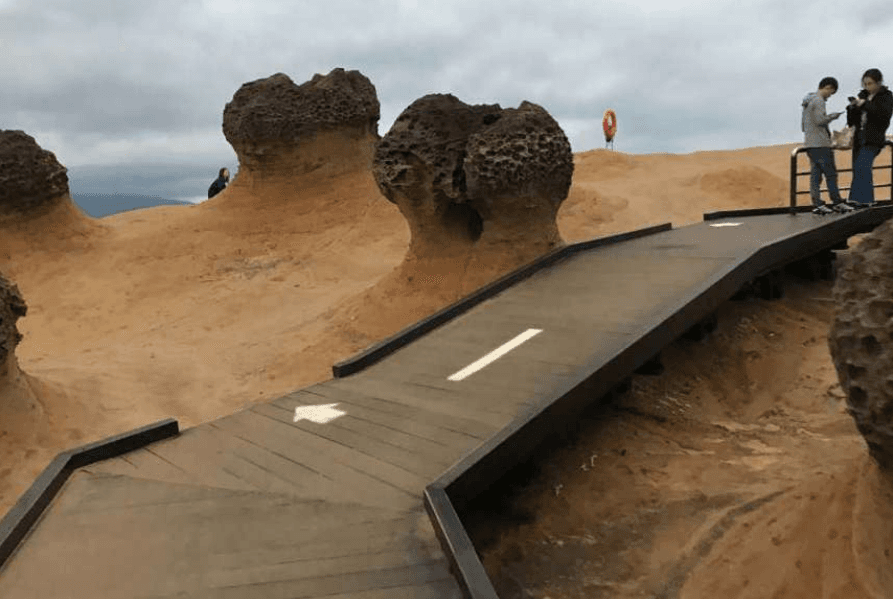
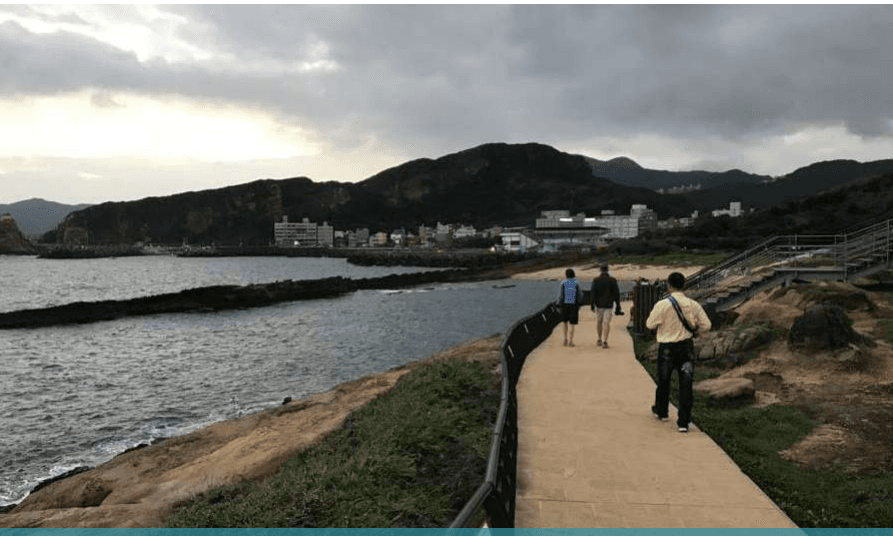
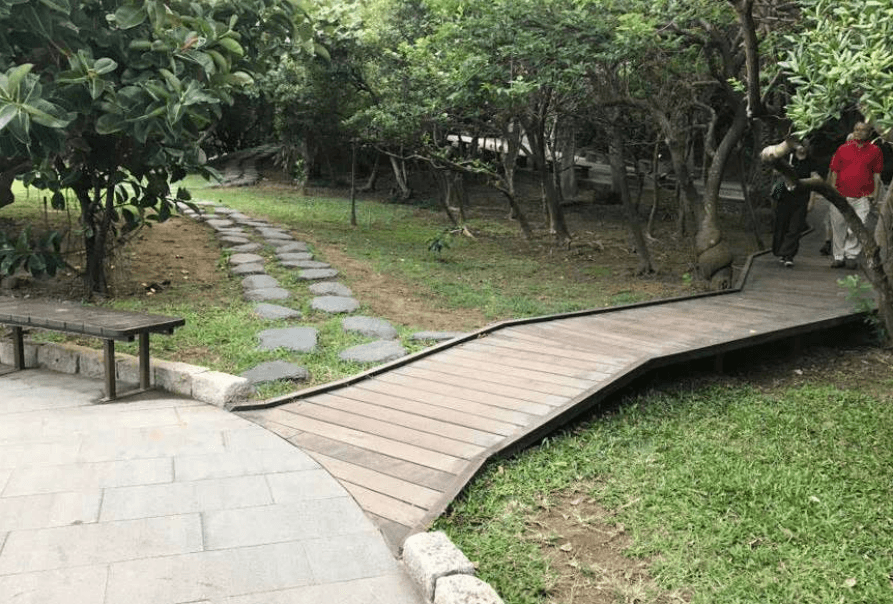
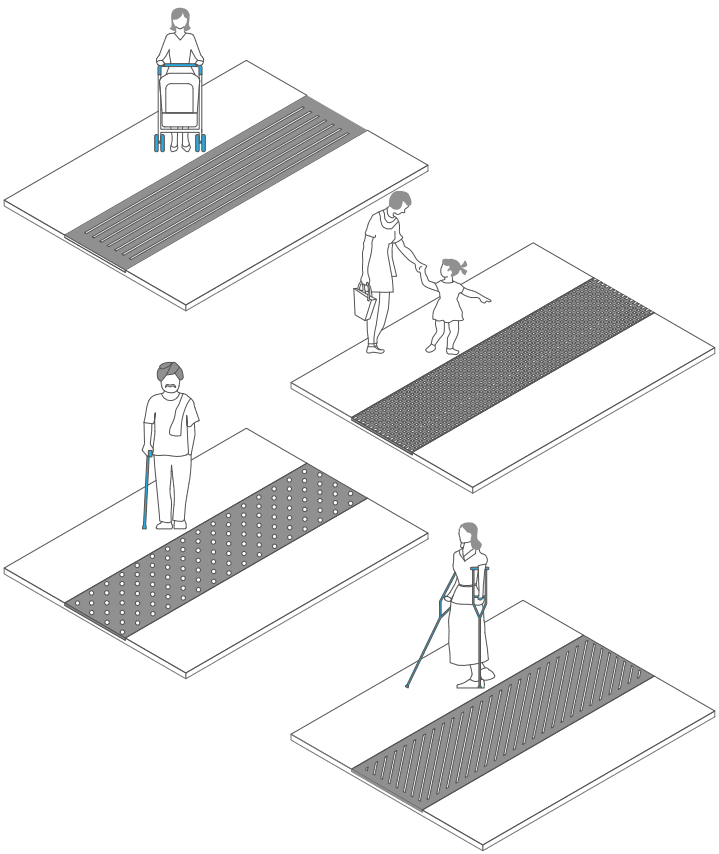
Landscape features as part of external environments play a vital role in enhancing universal accessibility of the built environment. The landscape materials of a site include ground covers, shrubs, trees and other elements of vegetation besides hard paved surfaces, water as an element and other built features of a landscape.
Appropriately chosen landscape species in context of built environment can enhance sensory features of the built environment and may aid as landmarks for persons with sensory impairment, esp. Vision impairments. Well designed landscapes may provide soothing and relaxing environments to all while enhancing comfort for the ones with cognitive impairments or mental health issues.
Chapter 3: External Elements
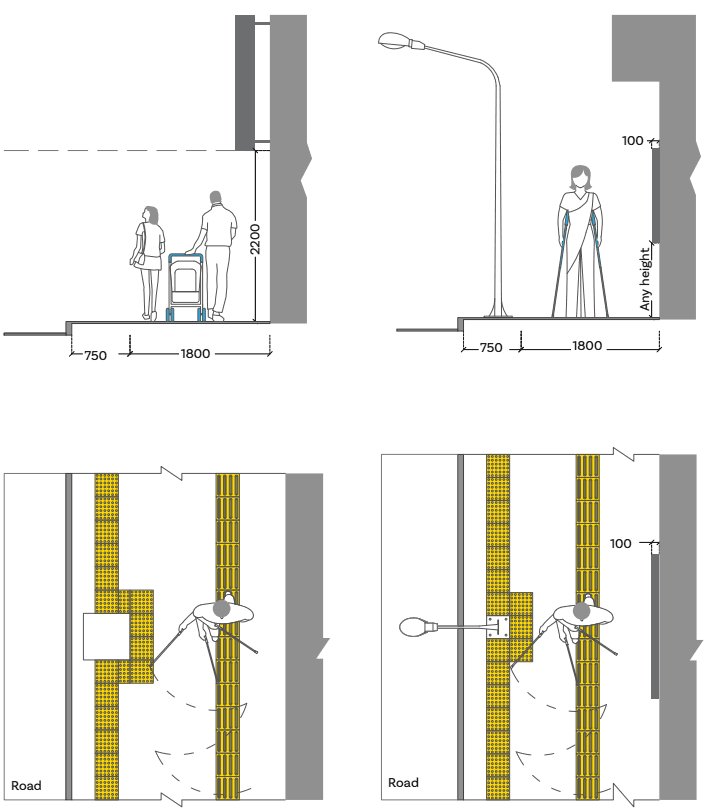
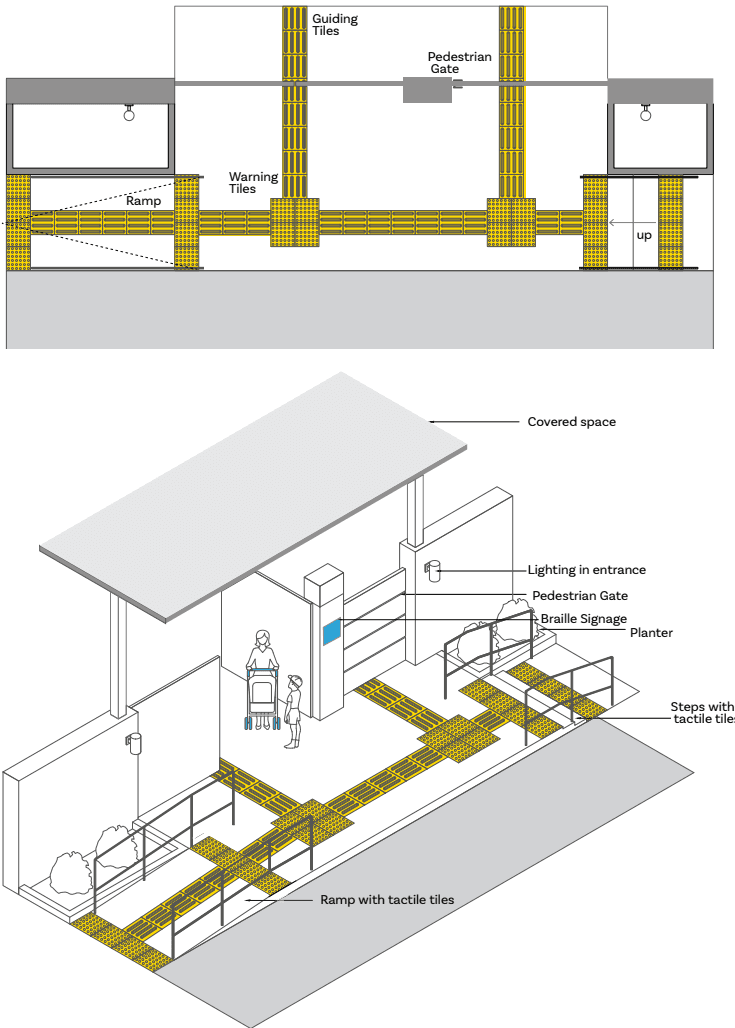
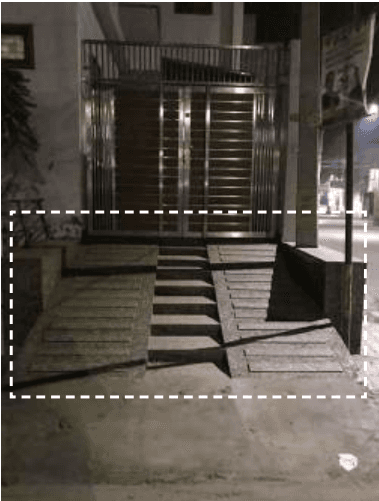
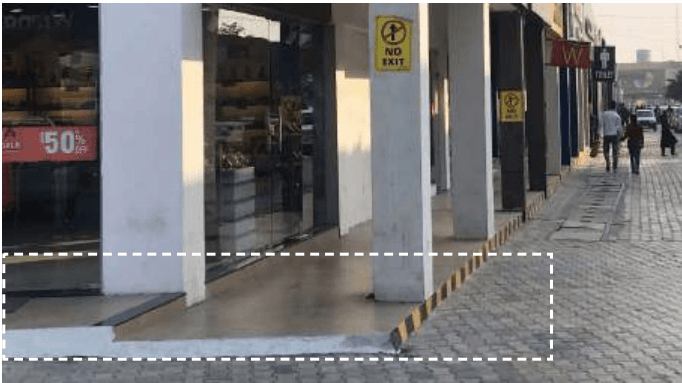
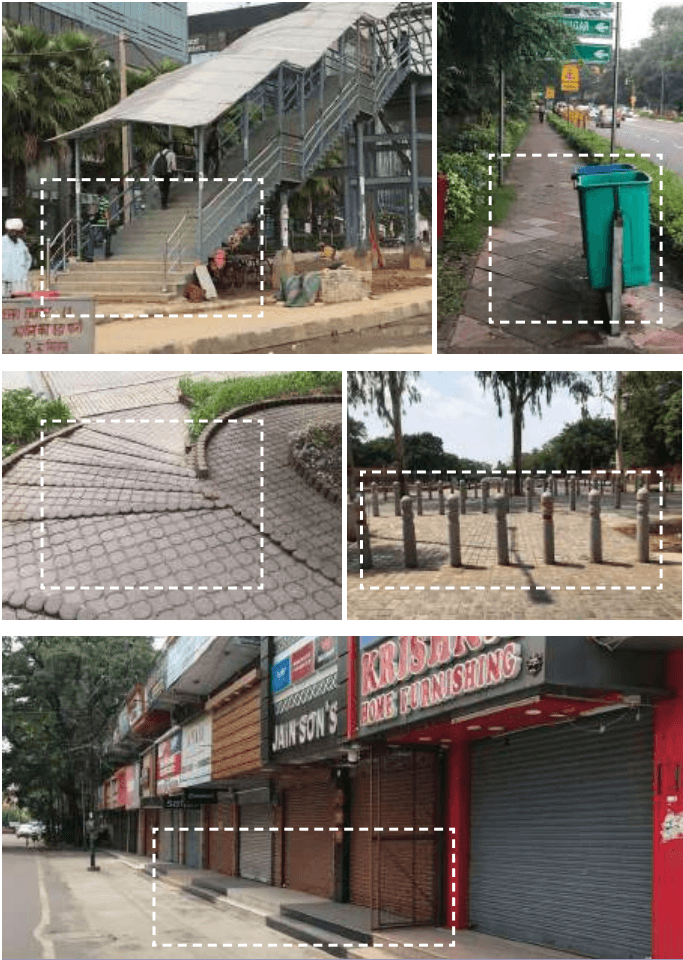
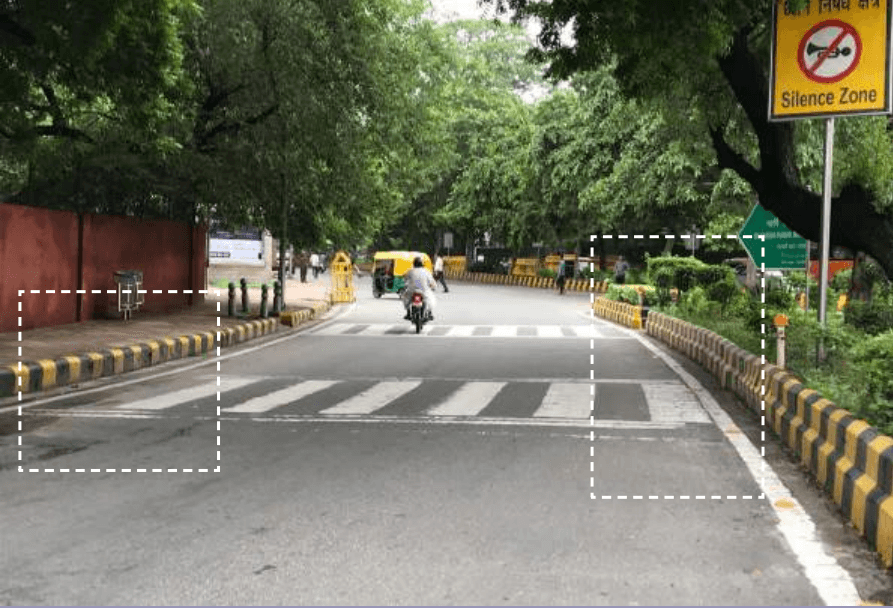
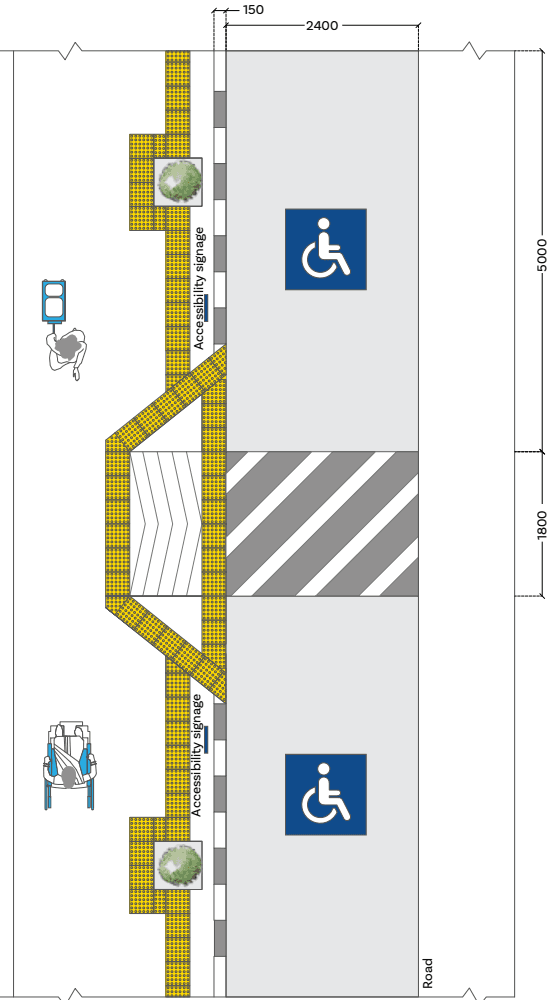
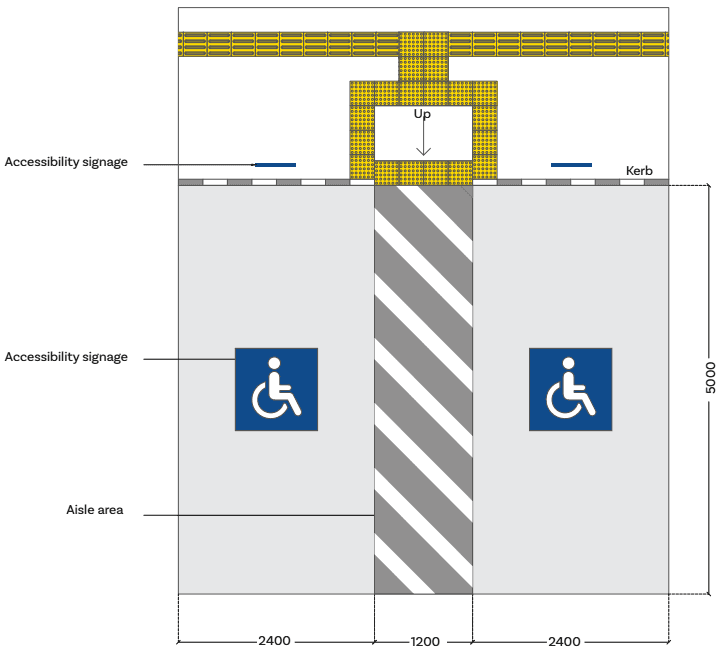
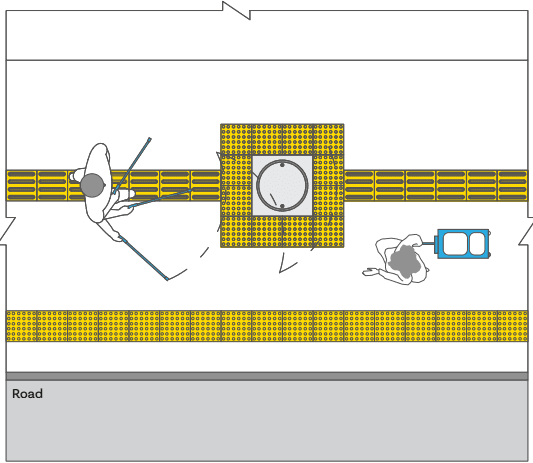
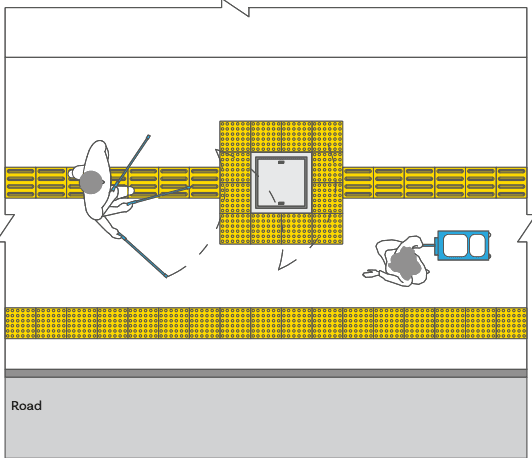
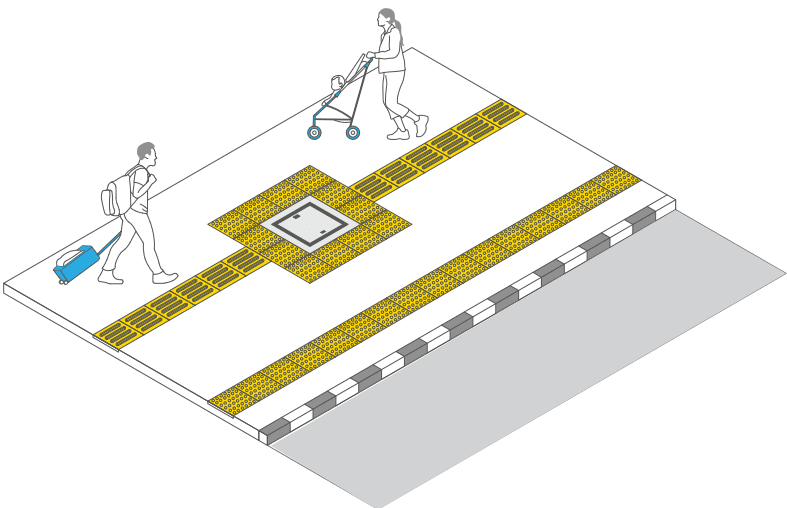
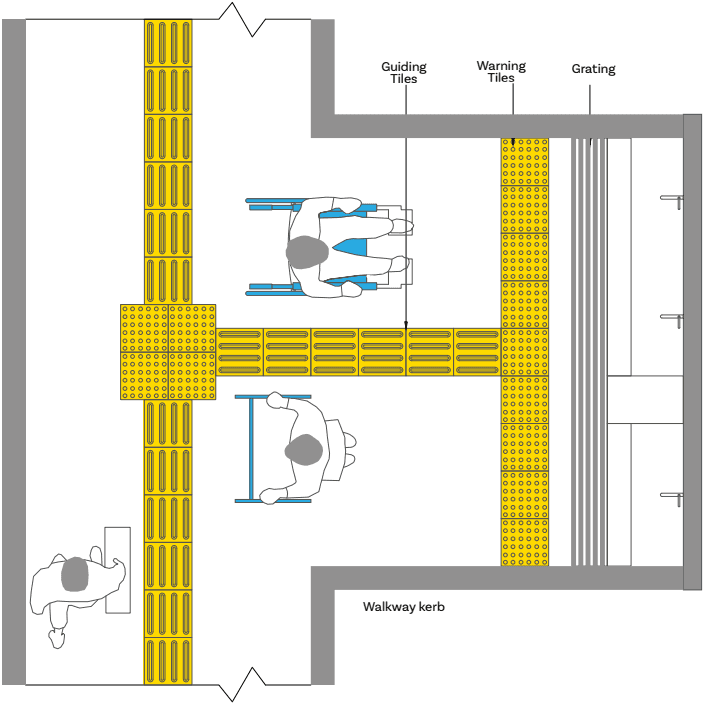
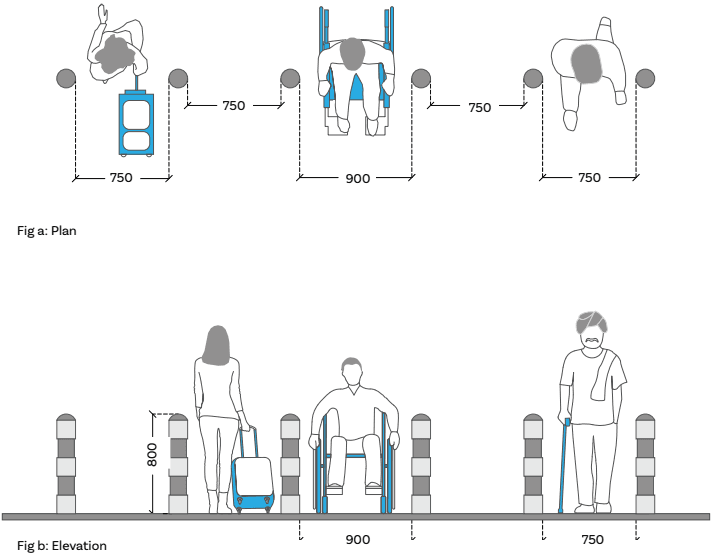
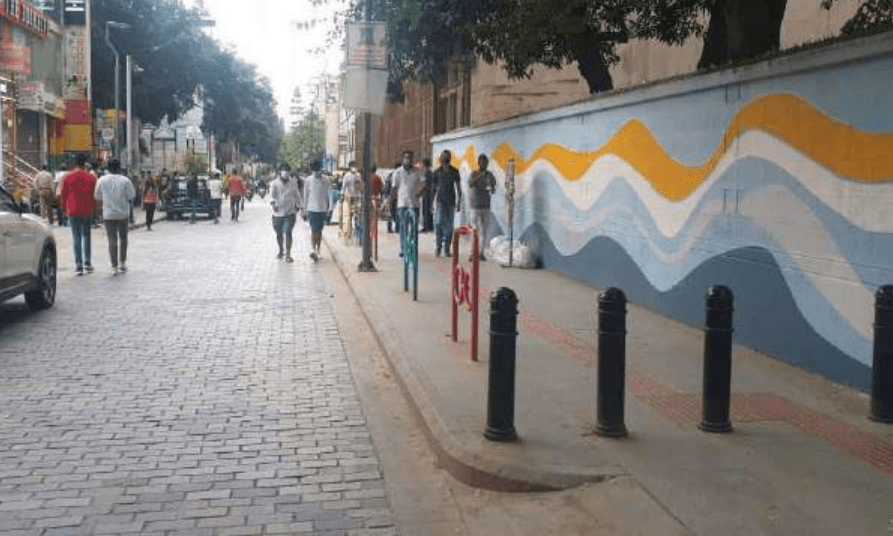
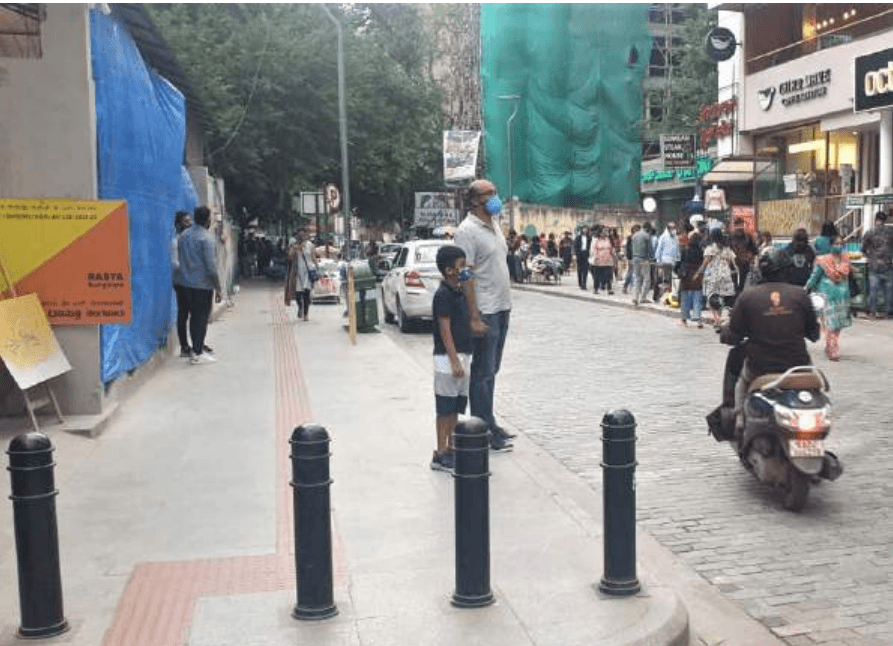
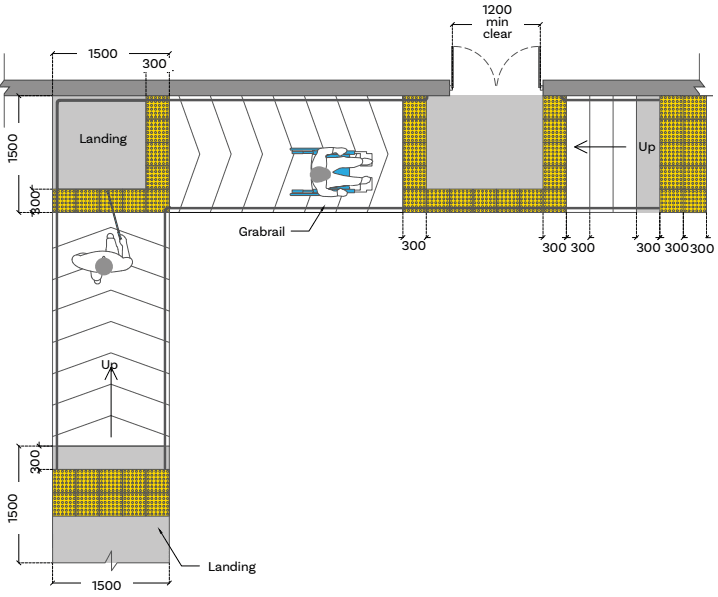
Figure 3.31 Street obstruction: Typical detail type A & B
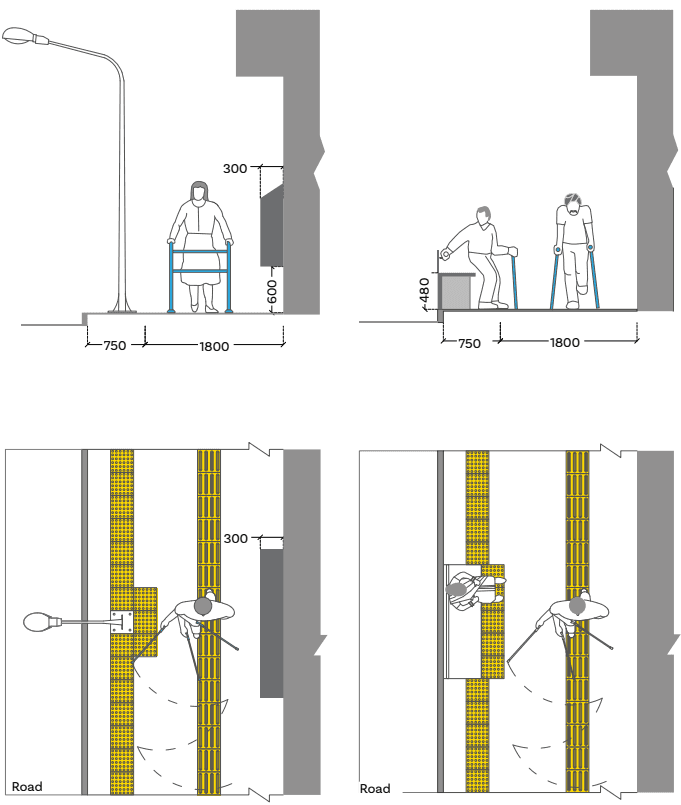
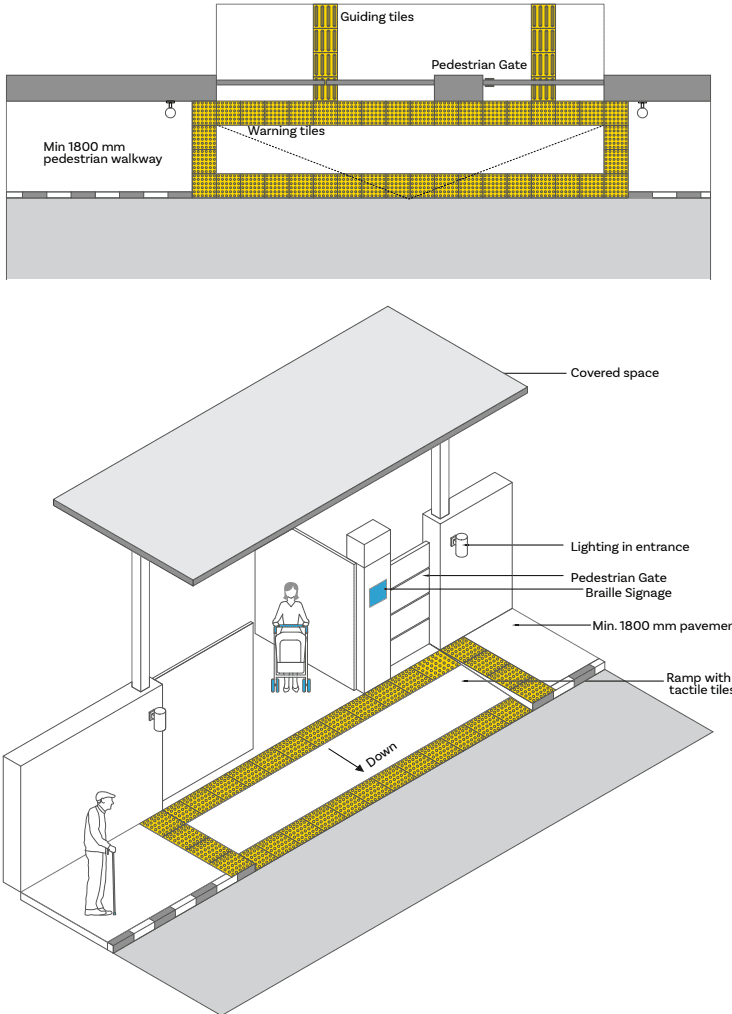
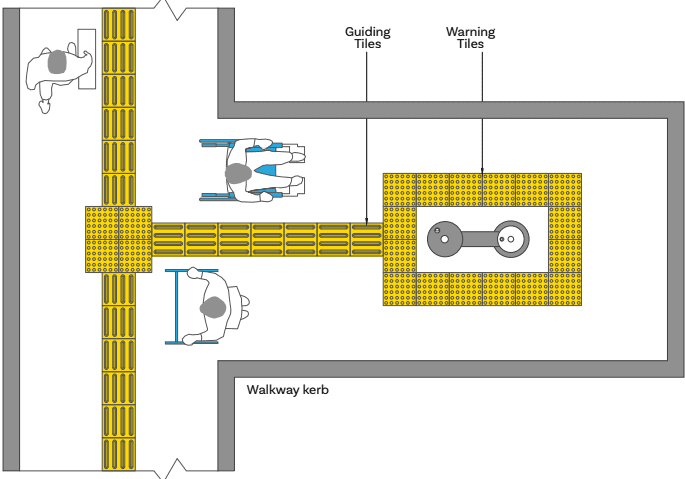
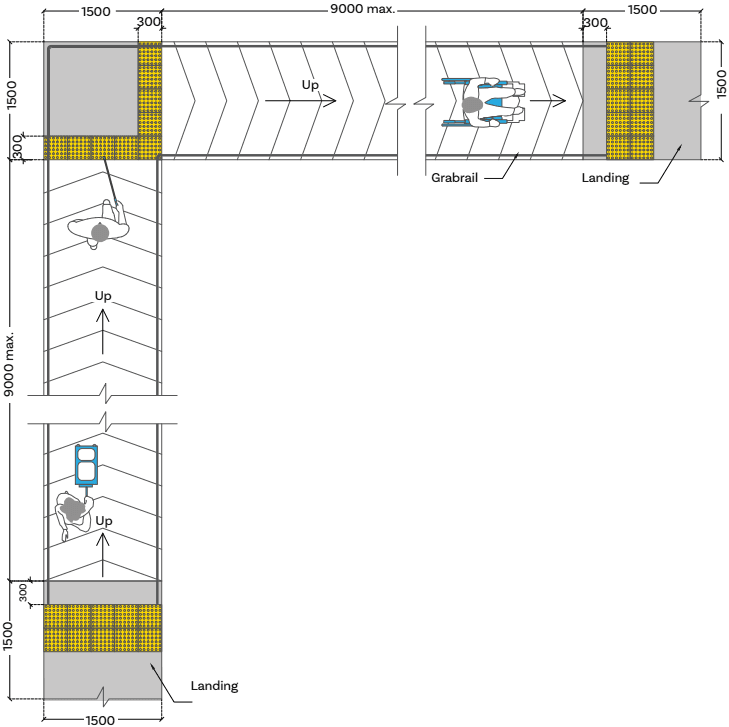
Figure 3.32 Street obstruction: Typical detail type C & D
Chapter 3: External Elements
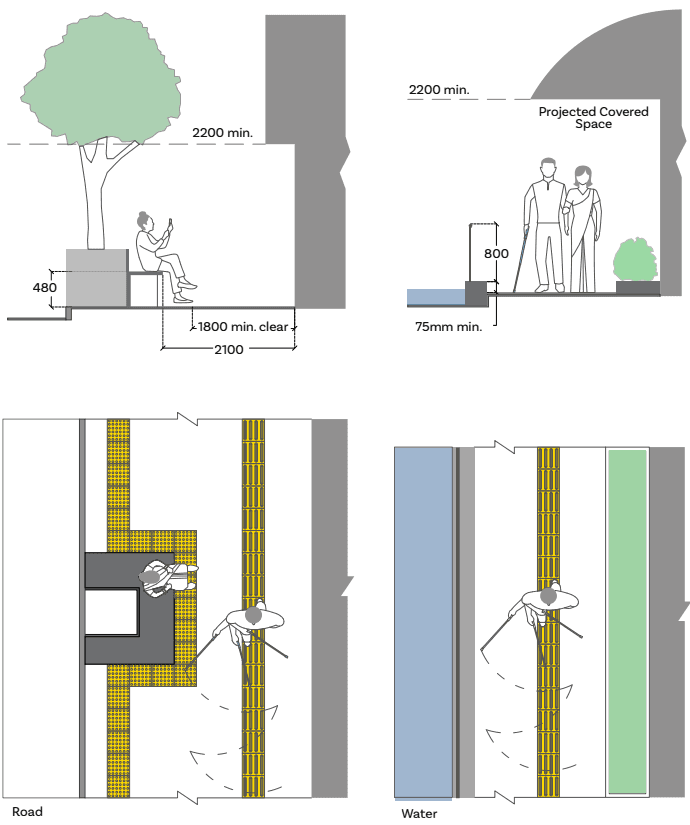
Figure 3.33 Street obstruction: Typical detail type E & F
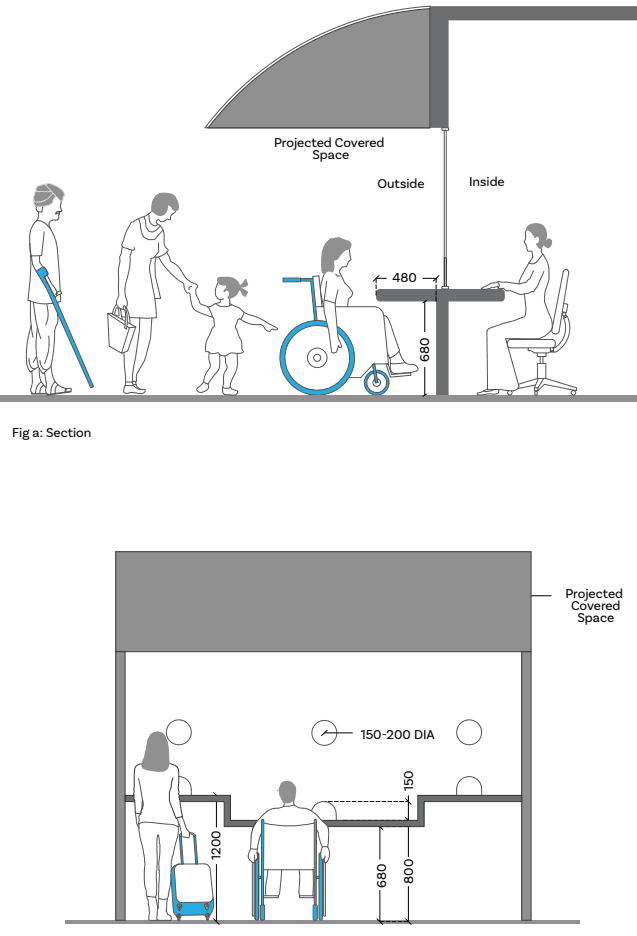
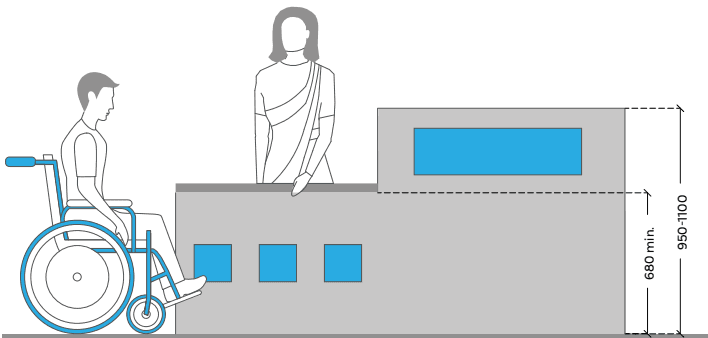
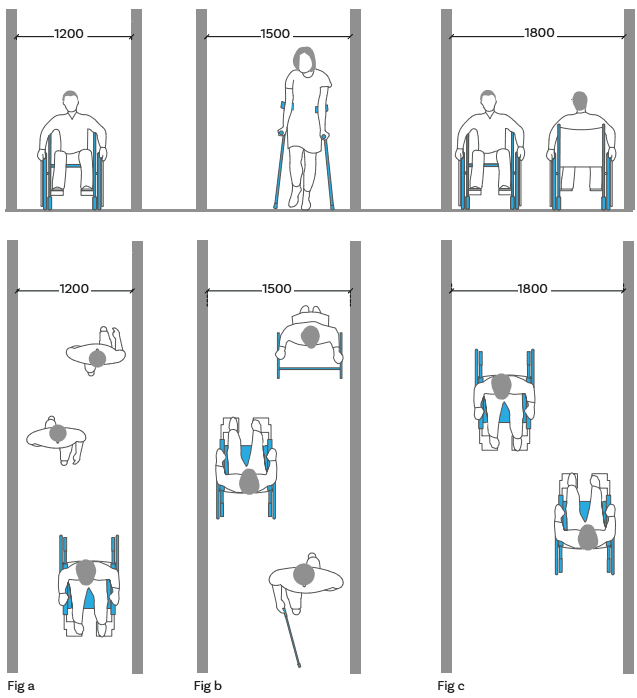
Fig b: Elevation
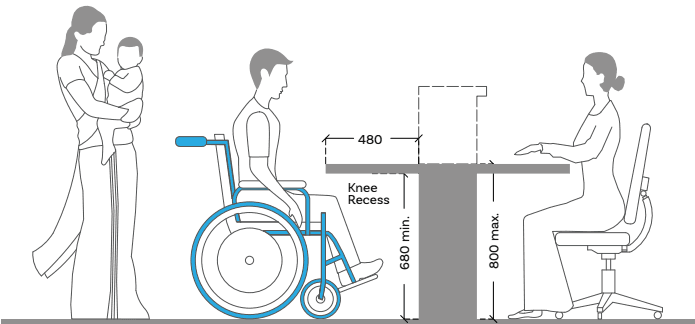
Figure 3.34 Typical ticket counter details showing accessible heights
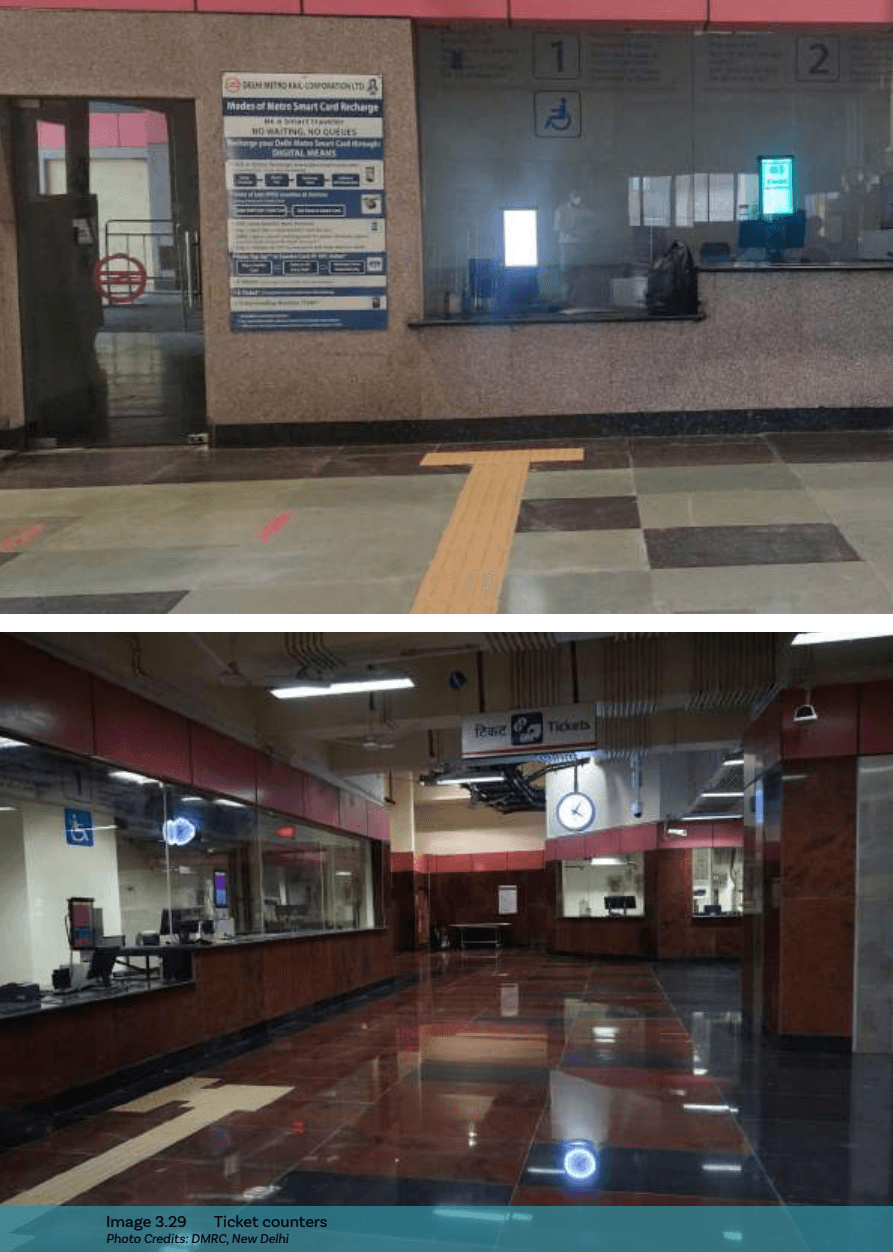
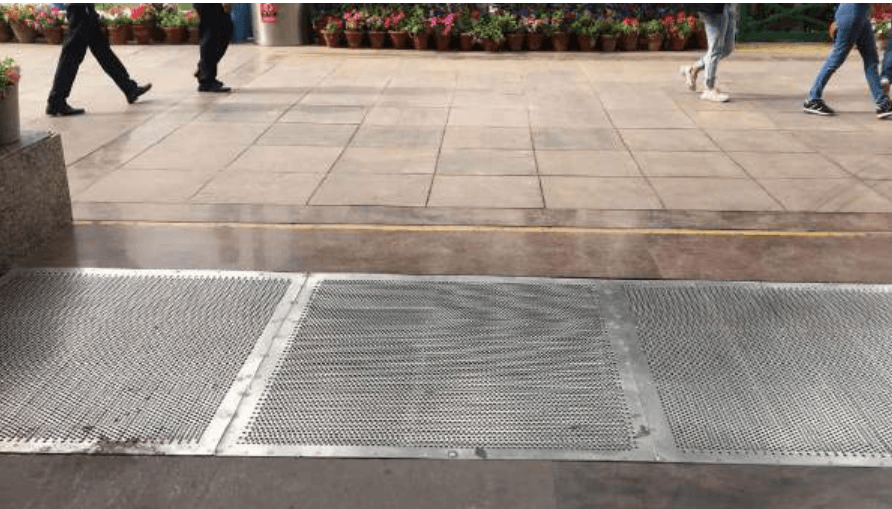
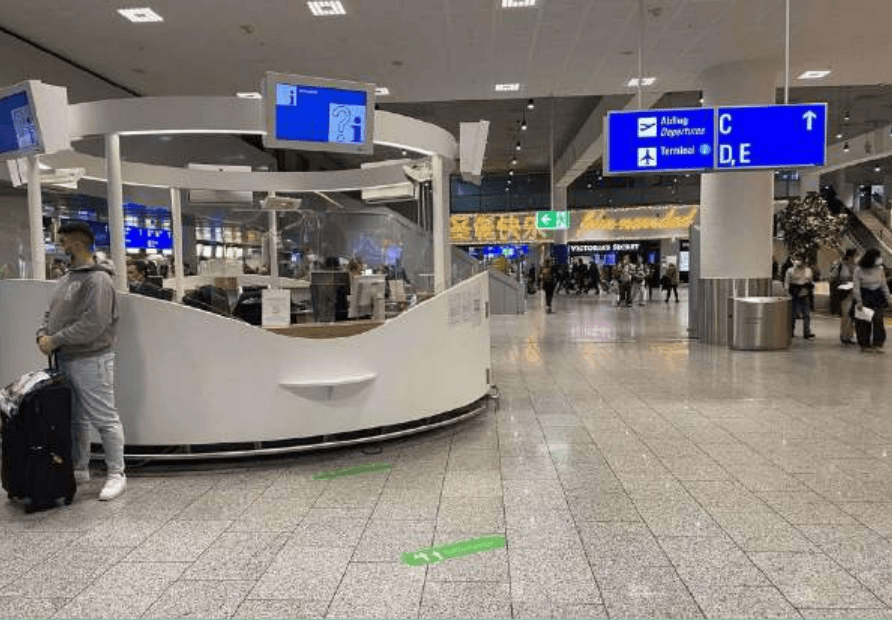
Image 3.29 Ticket counters Photo Credits: DMRC, New Delhi
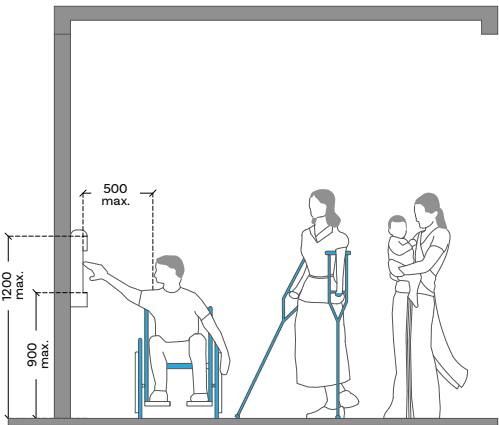
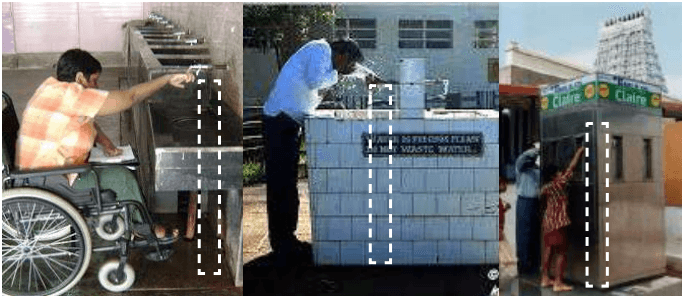
Figure 3.35 Vending machine

Figure 3.36 Information display board
Chapter 3: External Elements
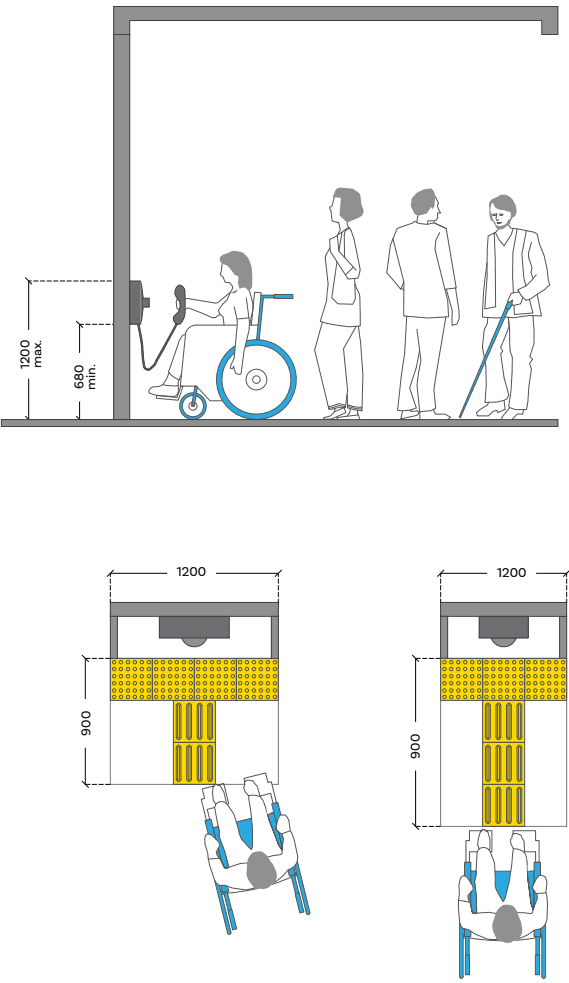
Figure 3.37 Outdoor phone unit
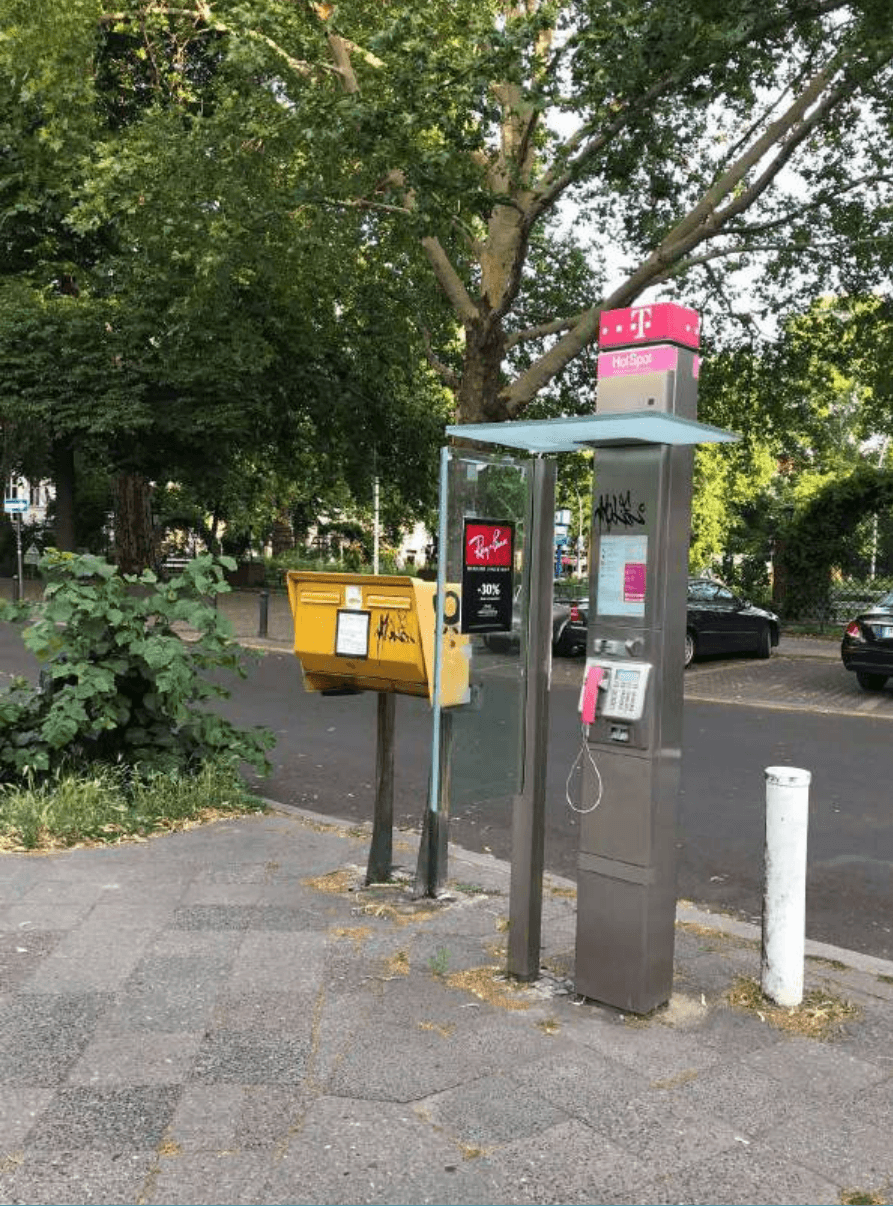
Image 3.30 Outdoor telephone unit Photo Credits: Dr. Gaurav Raheja
Chapter 3: External Elements
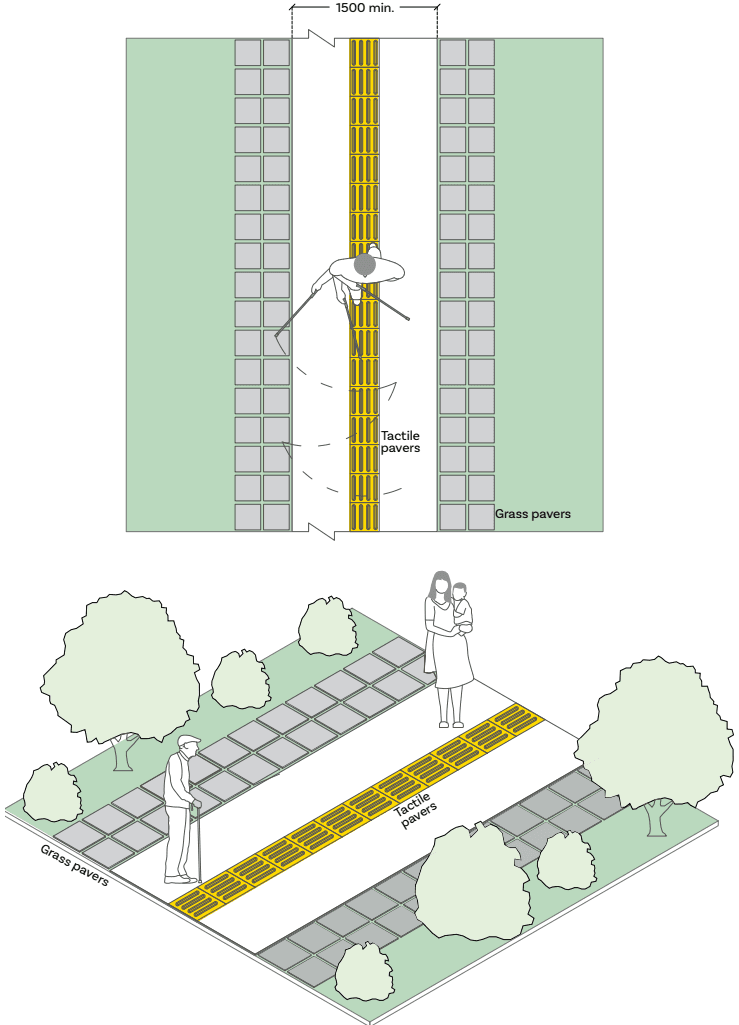
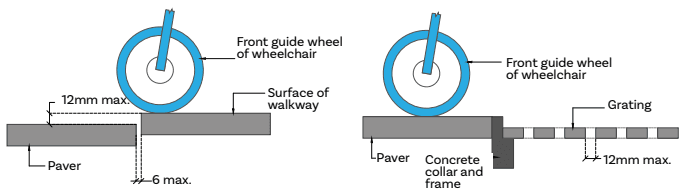
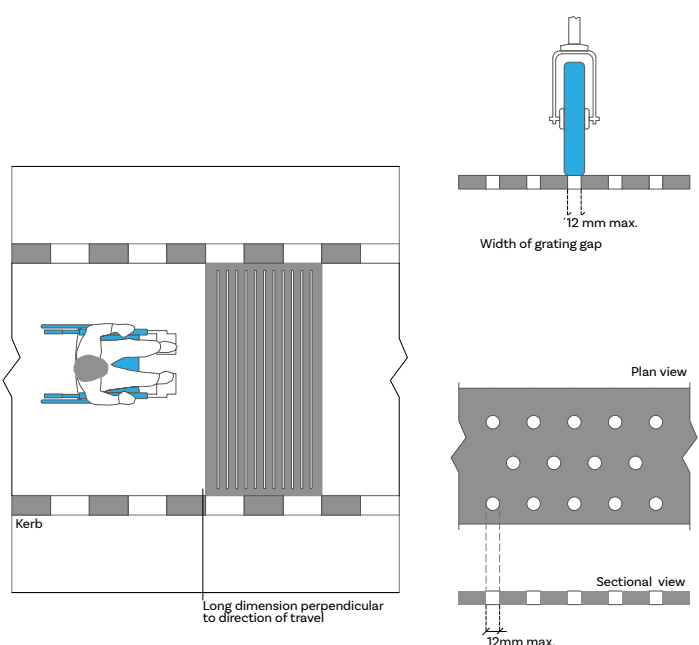
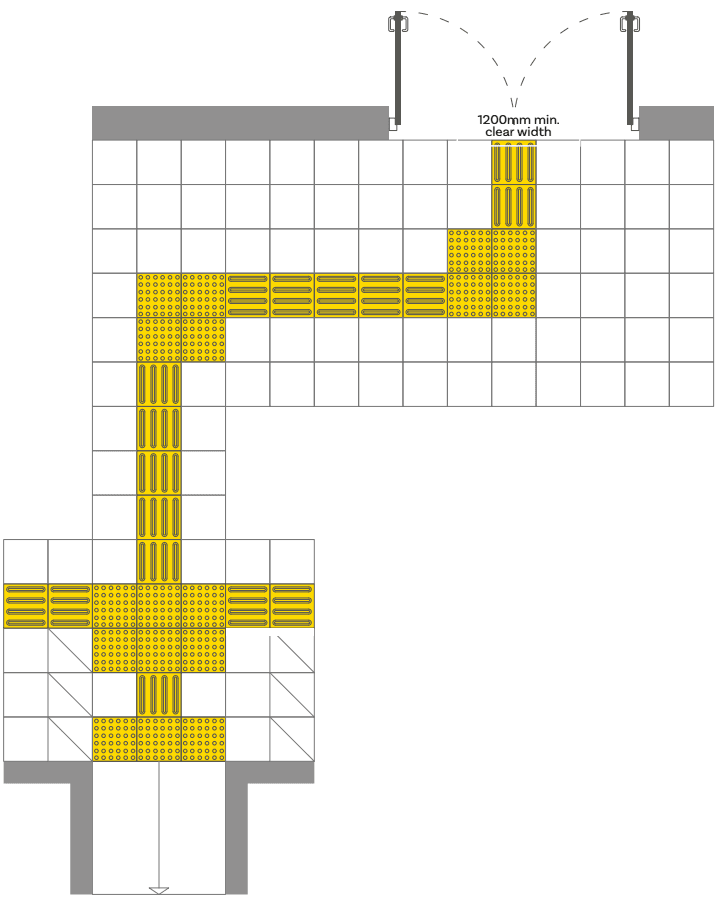
Figure 3.38 Accessible paved pathways with grass pavers
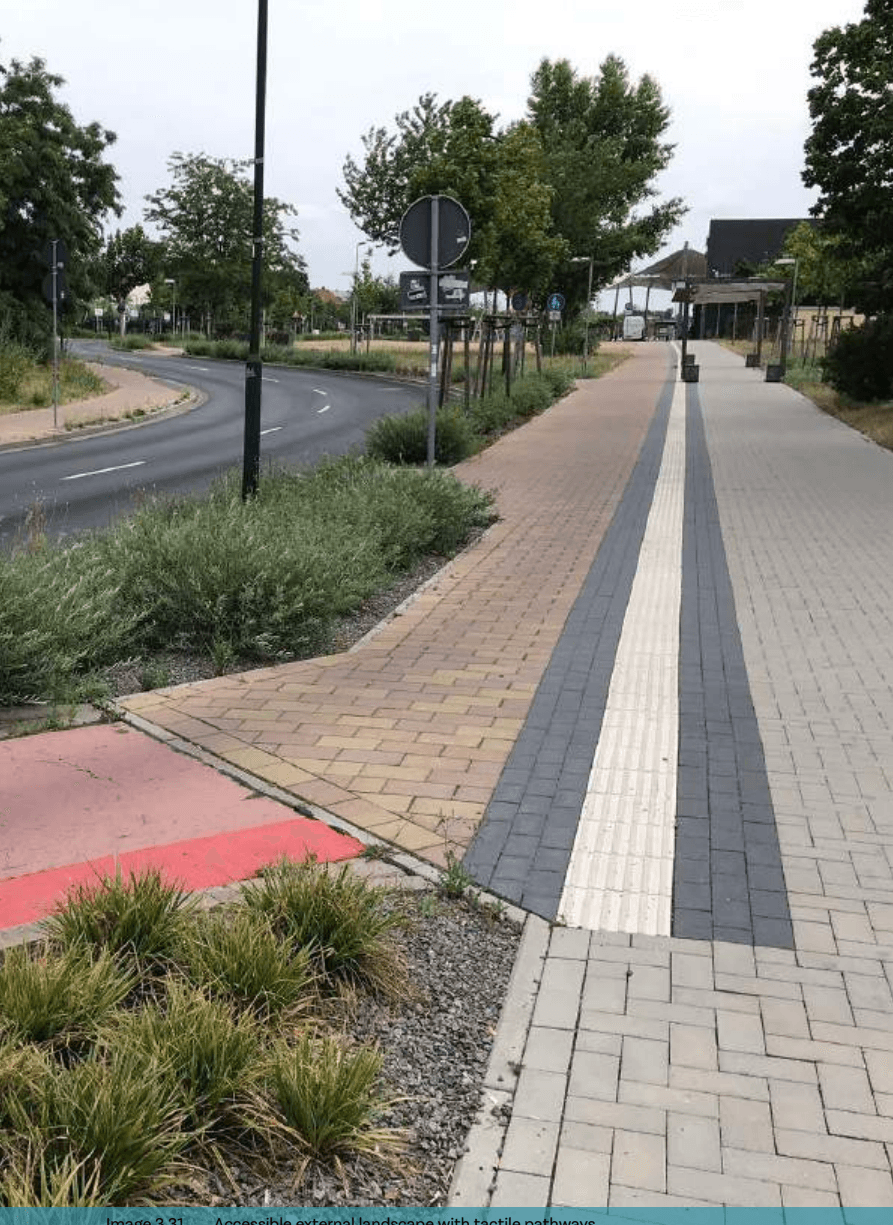
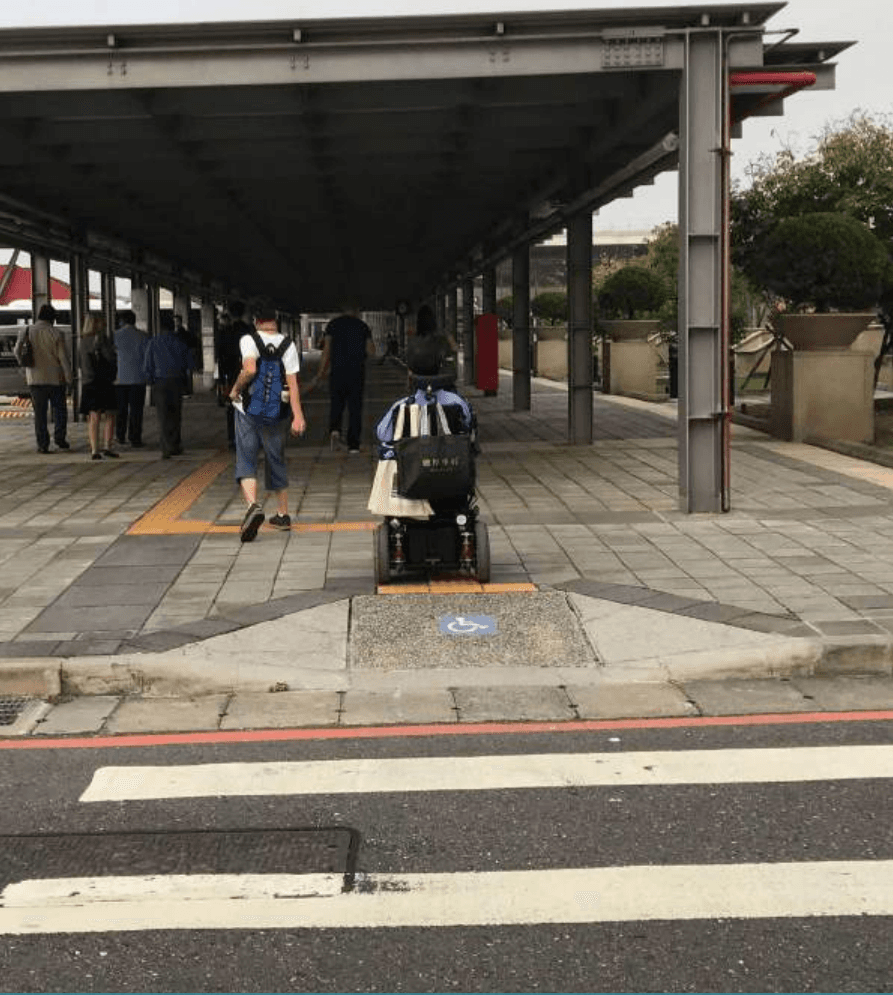
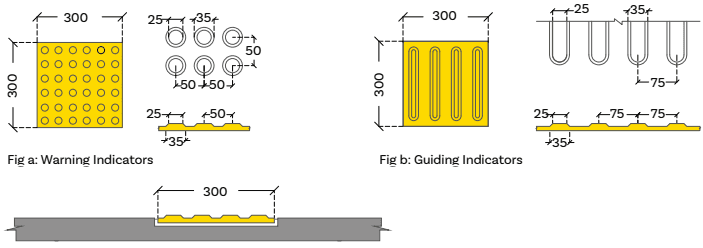
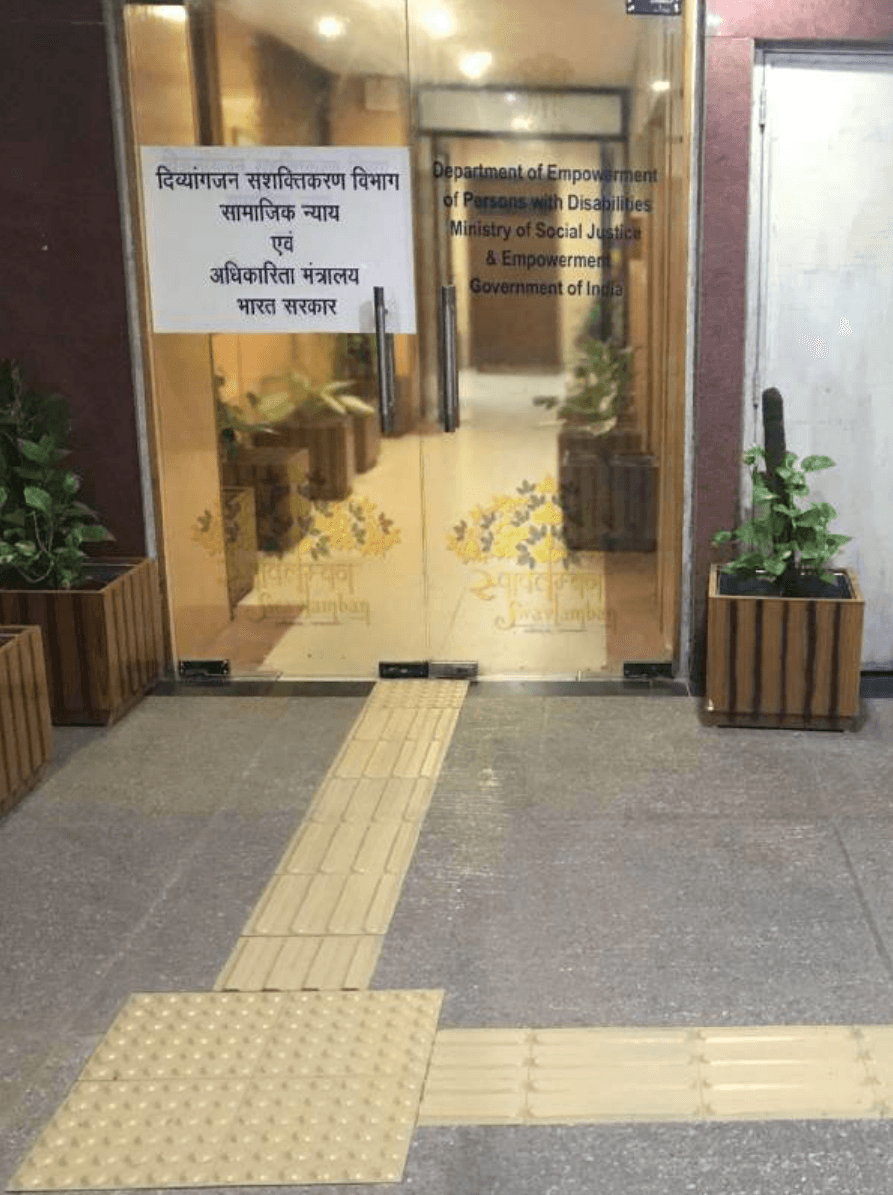
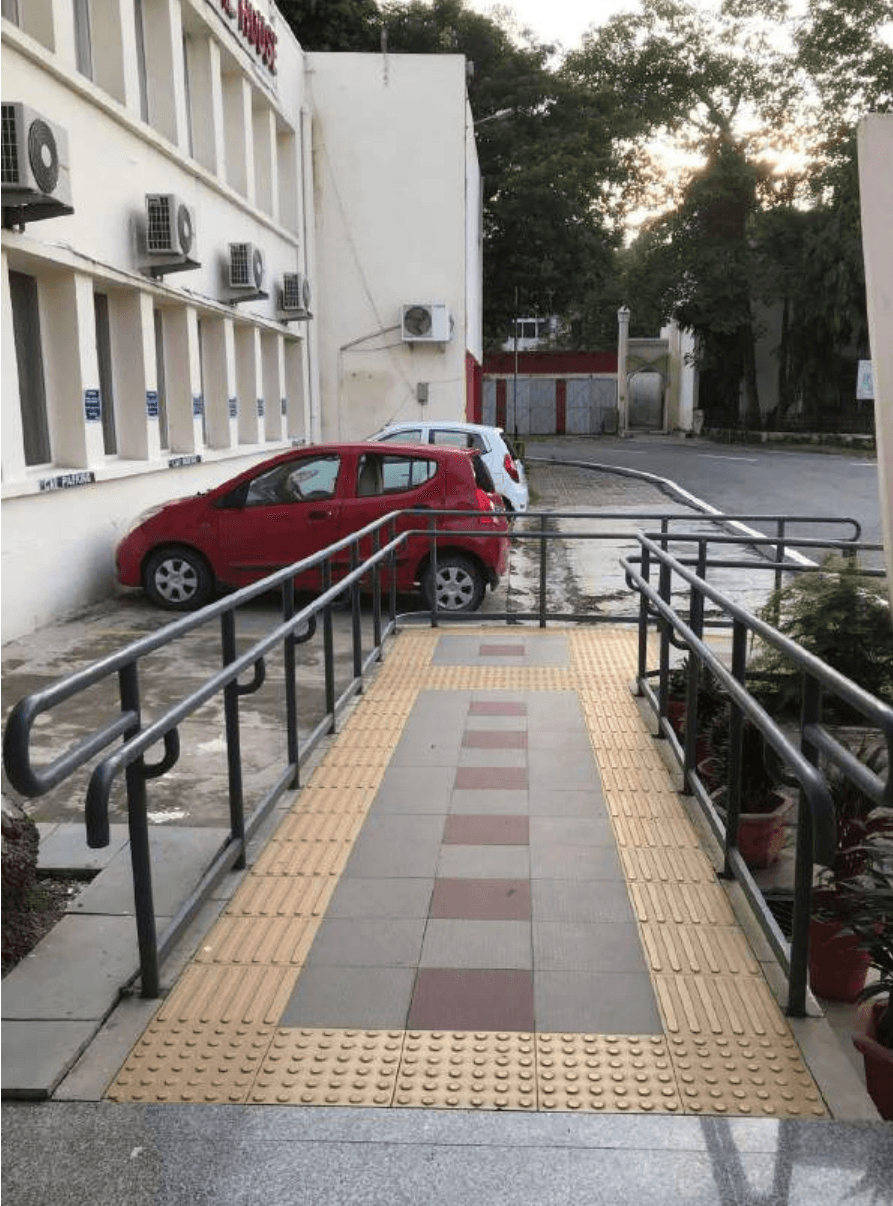
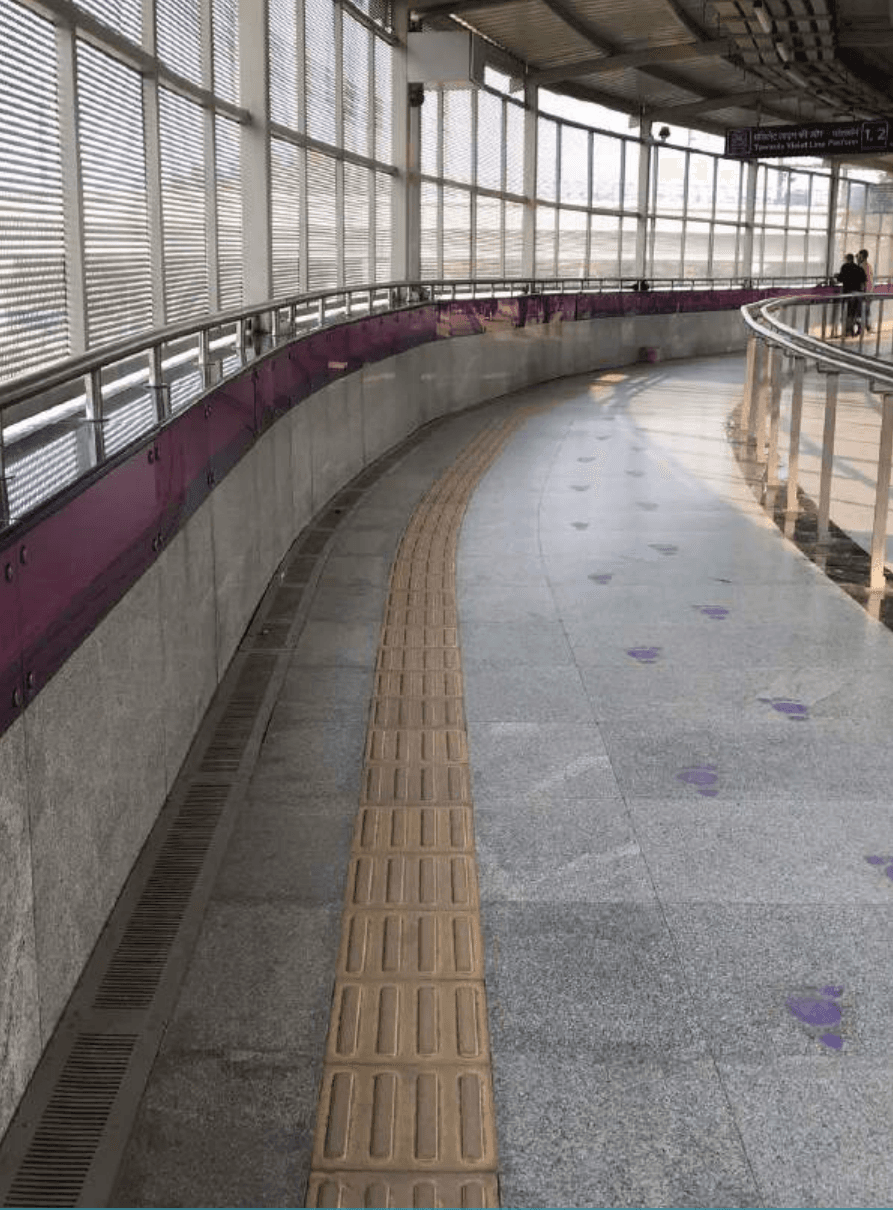
Image 3.31 Accessible external landscape with tactile pathways Photo Credits: Dr. Gaurav Raheja
Chapter 3: External Elements
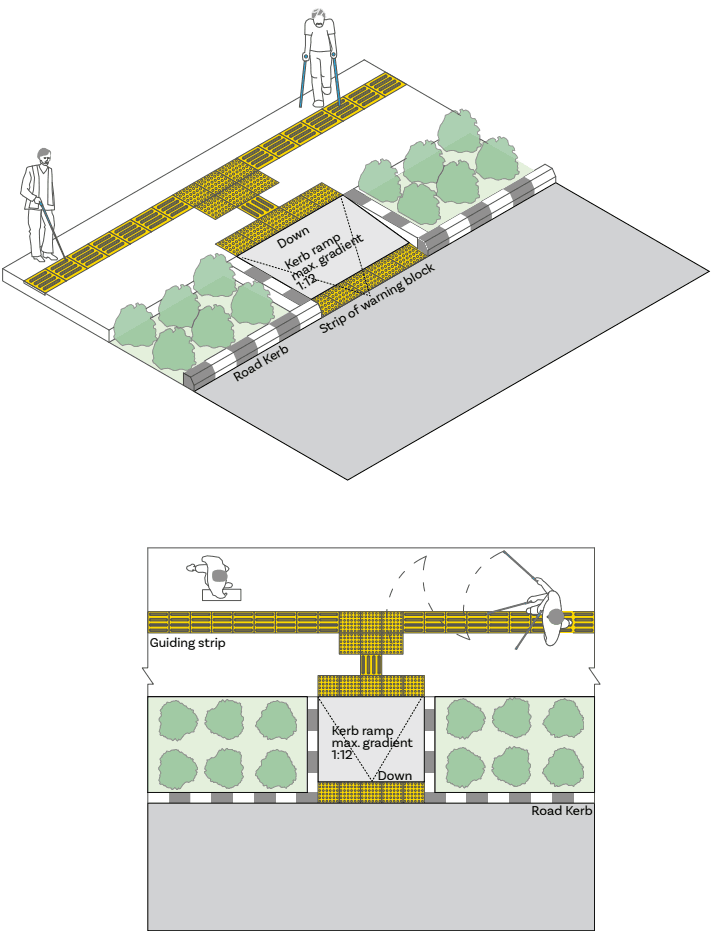
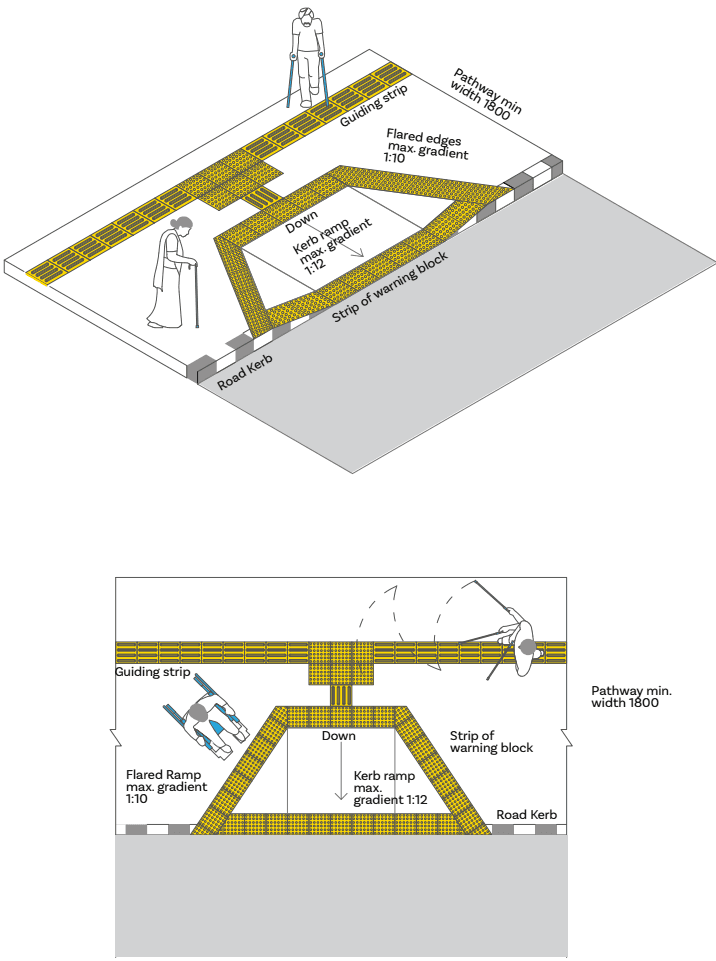
Role of water needs to be appropriately explored as a sensory element while ensuring no threat to safety of persons with disabilities and others. On the other hand water collection on street edges or at kerb ramp edge poses threat to diverse user groups esp. Elderly, ambulant disabled, etc. Water drainage should be well planned in the landscape zones of built environment.
Tree or shrub branches in landscaped walkways pose as potential barriers to all, esp. persons with vision impairments. It
is important to therefore ensure proper maintenance of landscape areas through proper training and sensitisation of landscape workers and professionals.
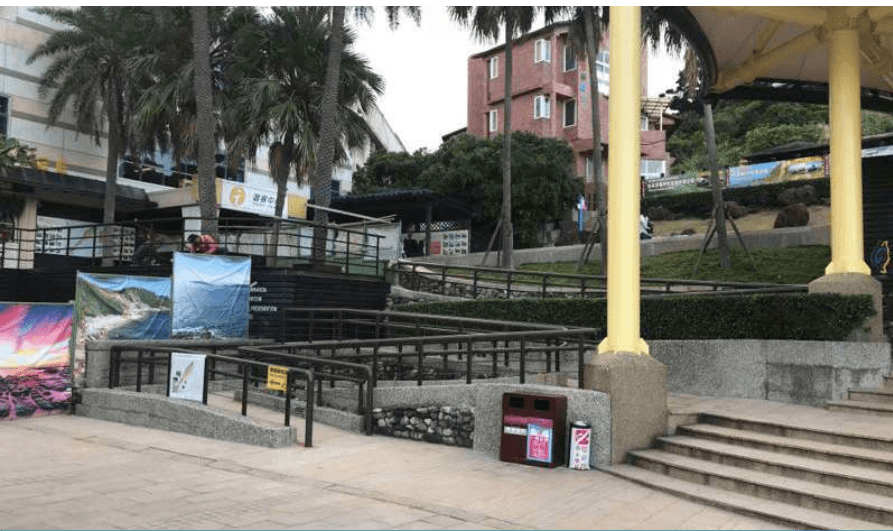
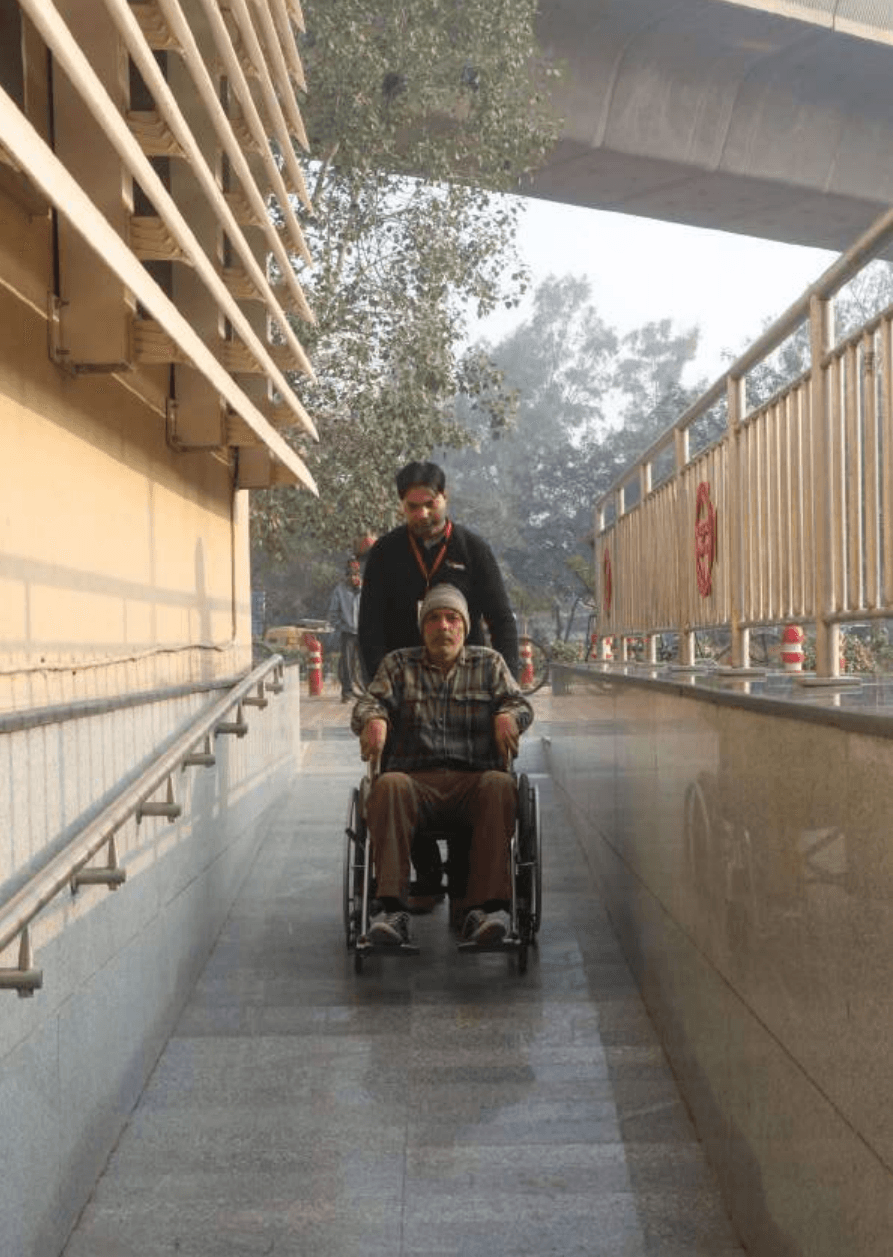
Landscapes include provision of built features like open air theatres, etc. which could be developed as accessible spaces using gradual slopes with earth mounds or ramped slopes, etc.
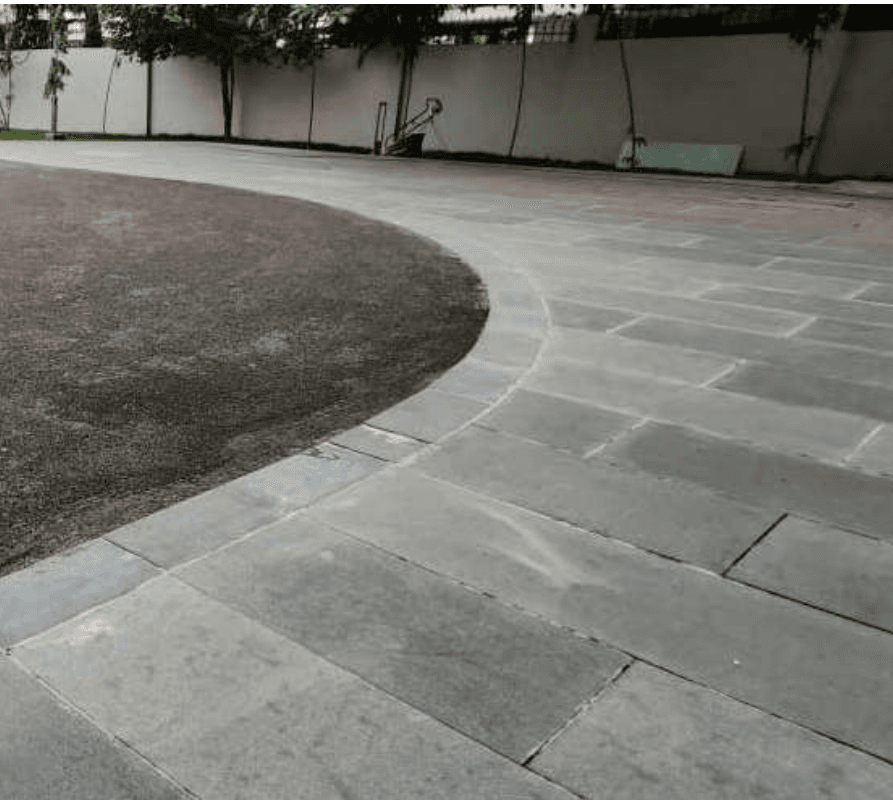
Plazas, walkways or other typologies of built environment spaces in large campuses must sensitively respond
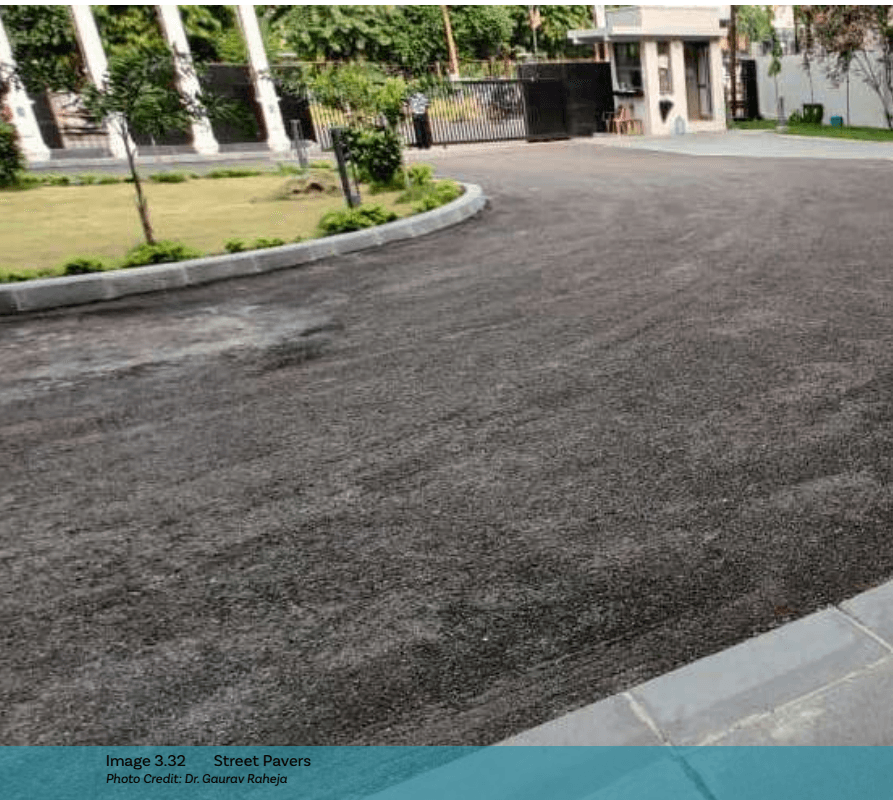
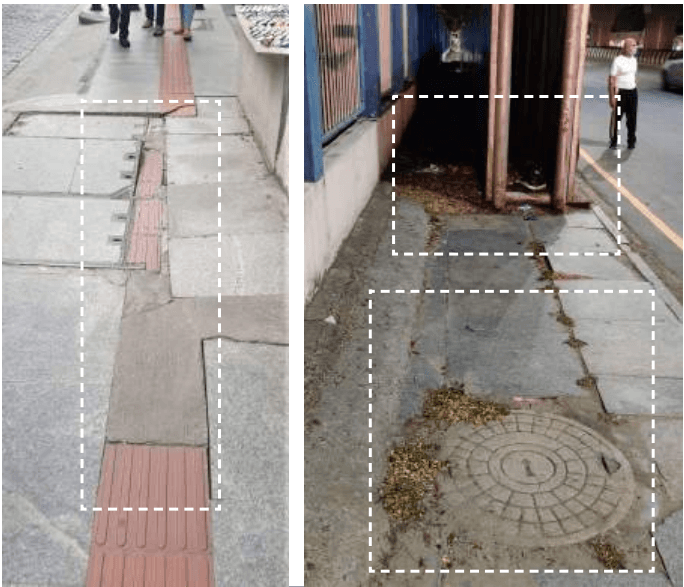
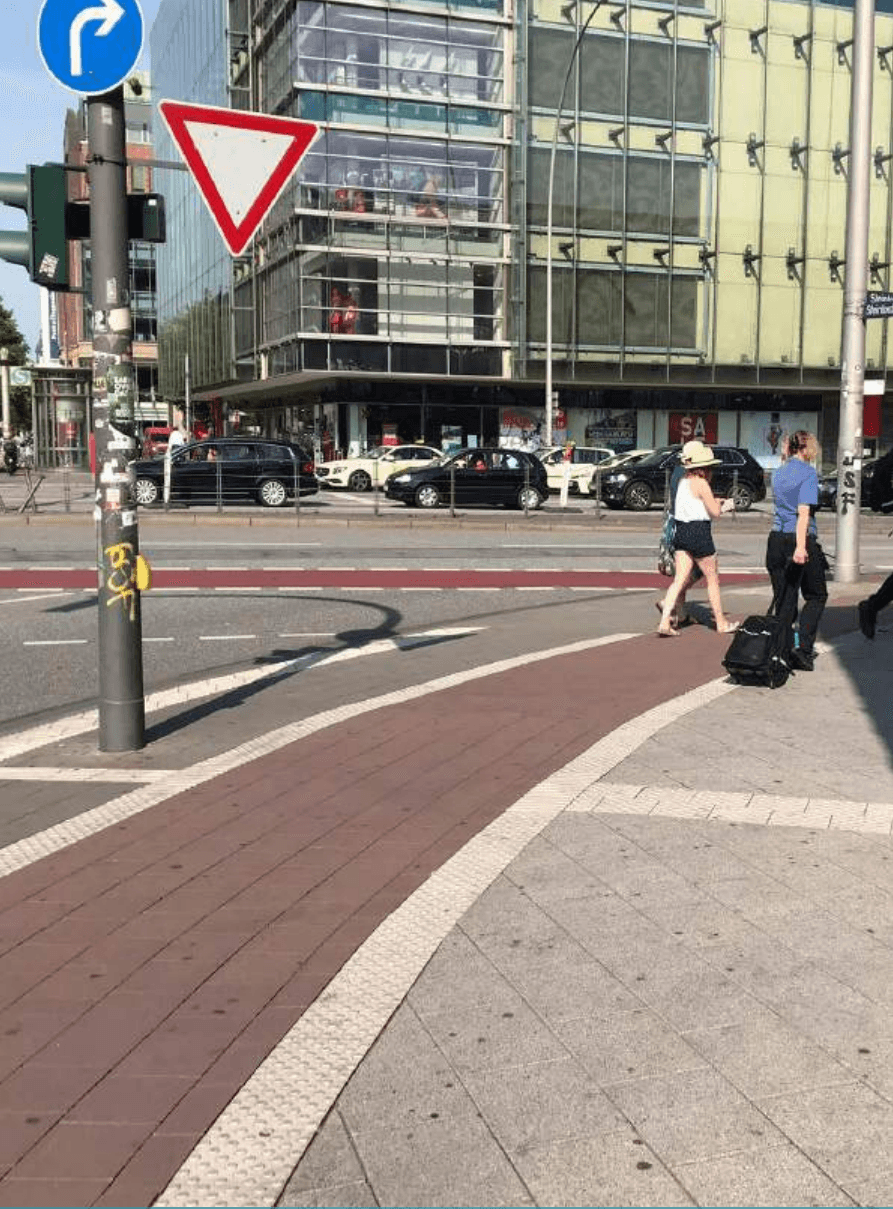
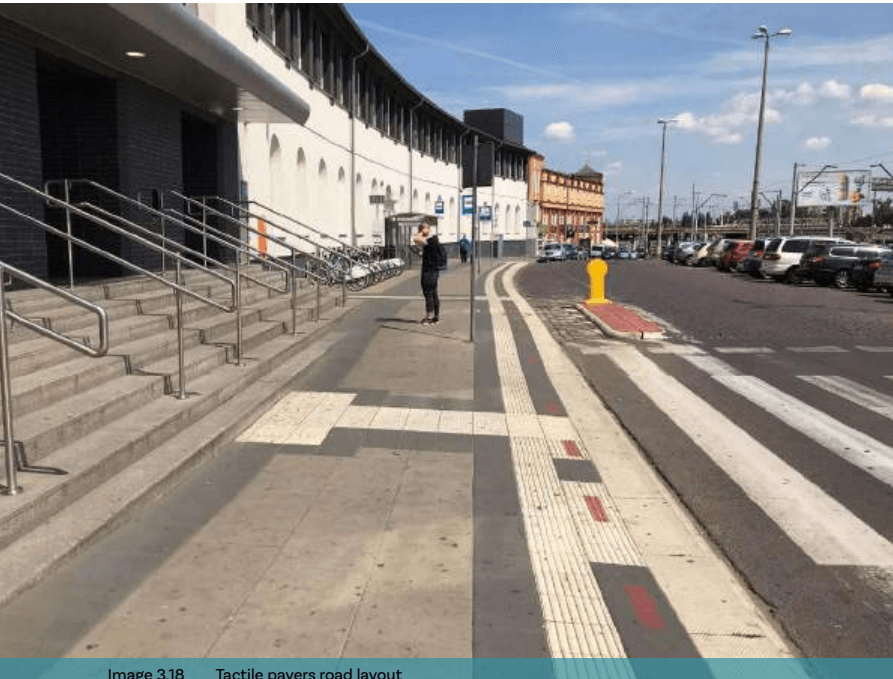
Image 3.32 Street Pavers Photo Credit: Dr. Gaurav Raheja
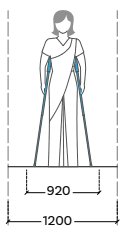
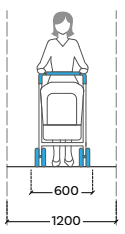
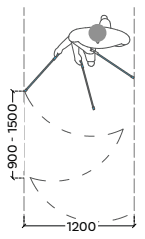
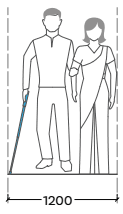
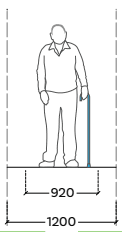
to the needs of diverse user groups. Materials like grass pavers in sandstone or kota stone, etc. may be designed in such a way that a clear hard paved length with a min. 1200 mm clear is available to users with footwear with heels or stick or cane users, etc.
Adequate lighting provisions be made in the external landscapes such as to minimise the effect of shadows on surface visibility. If not addressed, this may pose mobility challenges to persons with low vision.
Growing herbs or plantations with utilitarian value as an embedded aspect of Indian culture may transform landscapes as spaces of cultural inclusion as well besides being accessible to attributes of age, gender and abilities.
Outdoor landscapes need to integrate inclusive play areas and rehabilitation spaces to ensure inclusion of children with special needs, persons with disabilities and others who at any phase of life could require to use such features of outdoor landscapes with accessibility. It is important to continuously evolve
Chapter 3: External Elements
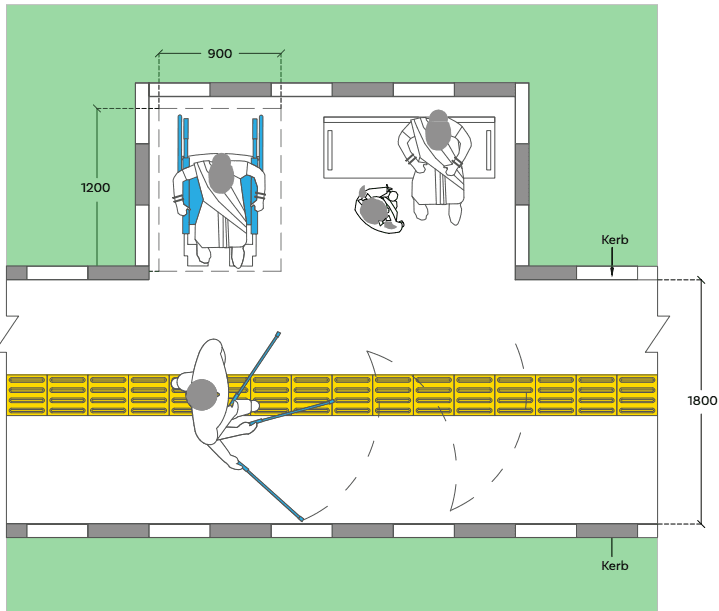
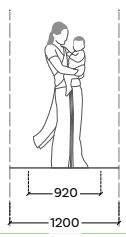
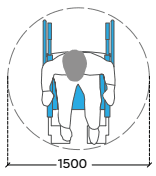
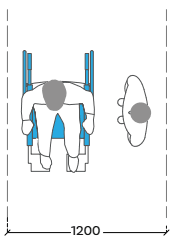
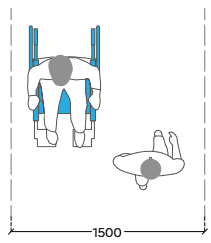
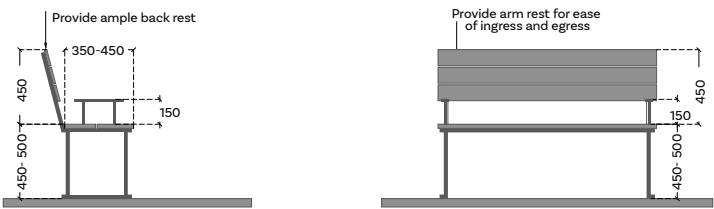
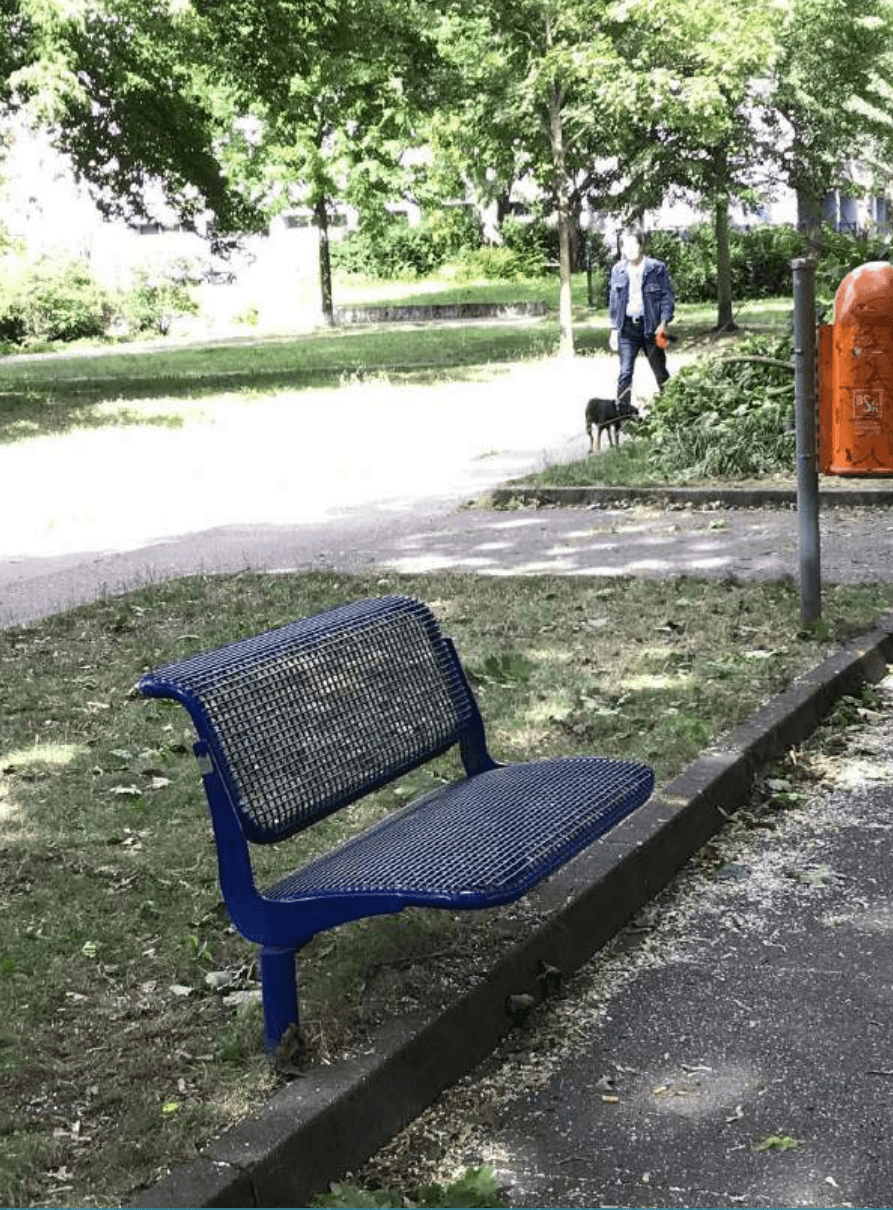
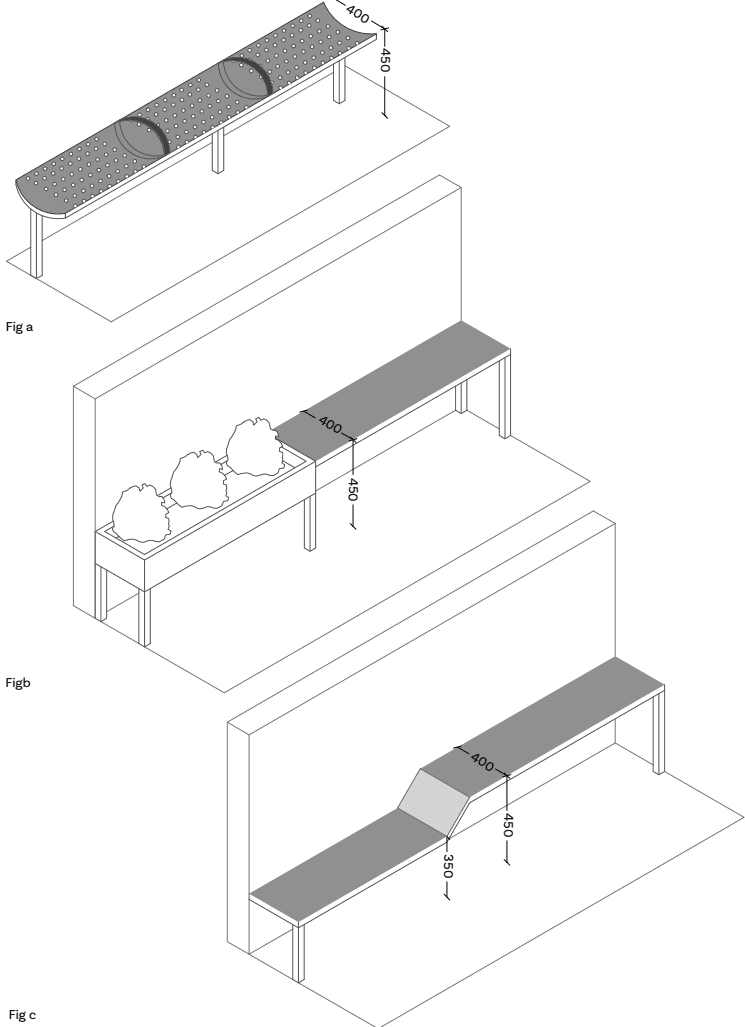
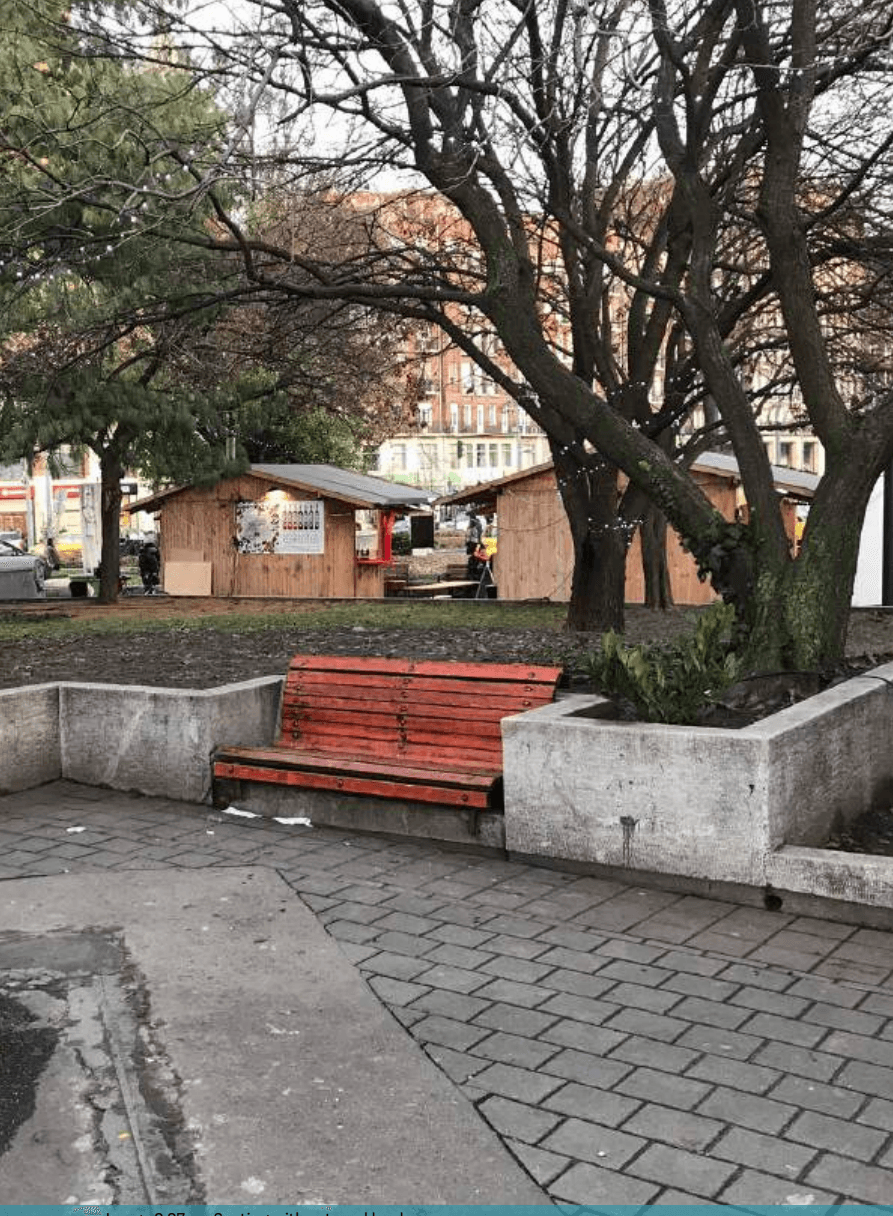
Figure 3.39 Dimension and space requirement for seating in parks and green spaces
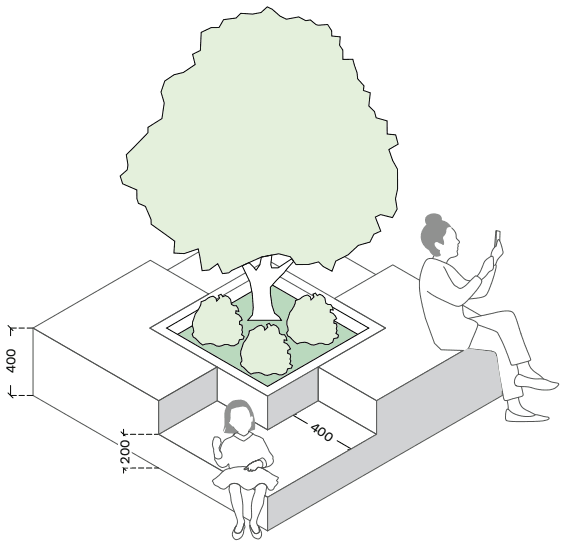
Figure 3.40 Dimension and space requirement for water edge/ waterfront seating
The resilience and fortitude of persons with disabilities inspires us. Under the Accessible India initiative, numerous measures have been takenp that ensure there is a positive change in the lives of our Divyang sisters and brothers.pand pluralism as a foundation of univeand pluralism as a foundation of uni
ce for all. Shri Narendra Modience for all. Prime Minister, India
nd abilities provides a frameworkTwitter Post by @narendramodi, 3 Dec 2020, and abilities provides a framew including all. Semantically, the number ‘Address on Internantional Day of Persons with Disabilities including all. Semantically, the number
Internal Elements
4.1 Building Entrances
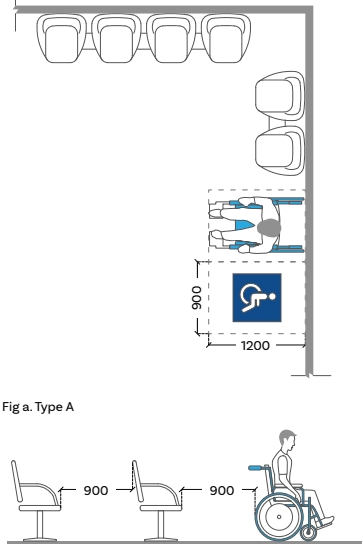
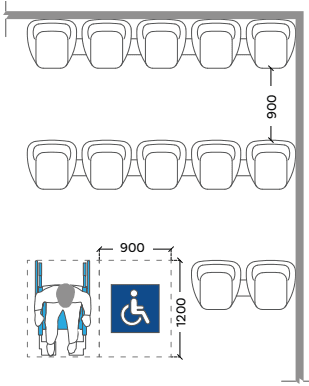
4.2 Waiting Areas
4.3 Reception Counters & Spaces
4.4 Horizontal Circulation - Corridors
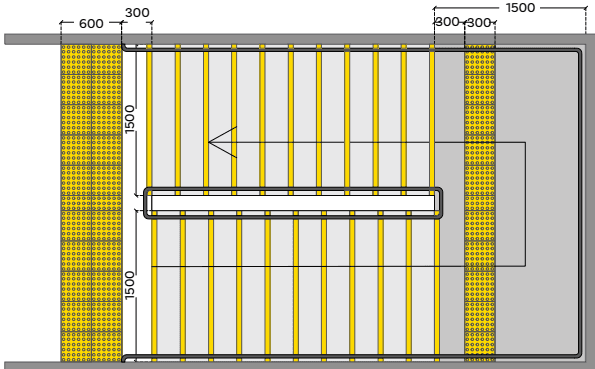
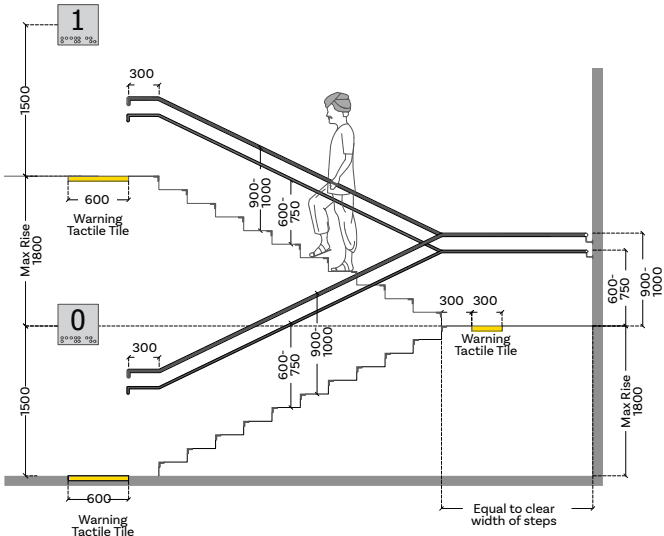
4.5 Vertical Circulation - Staircase
4.6 Vertical Circulation - Internal Ramps
4.7 Elevators, Lifts & Escalators
4.8 Internal Drinking Water Facilities
4.9 Internal Sanitary Provisions
4.10 Internal Doors and Fixtures
4.11 Windows
4.12 Guest Rooms
4.13 Eating Spaces
4.14 Wardrobes and Storage Shelves
4.15 Controls (Electrical, Mechanical & Others)
Accessibility is a precondition for persons with disabilities to live independently and participate fully and equally in society.
(CRPD Committee on Rights of Persons with Disabilities, 2013)
Internal Elements

A fully functional building is an integrated outcome of it’s envelope design, it’s configuration of internal spaces with allied services to support the intended functions with convenience, access, safety and dignity. It is important to therefore appreciate the role of each internal element of a building and it’s careful design, material choice, installation and overall management and maintenance to ensure accessibility and safety for all. Absence of information or wayfinding systems, a steep ramp slope or a faulty detail, a missing handrail, a high door knob, absence of manoeuvring space for wheelchairs or baby prams, etc. can all cause challenging experiences and pose as barriers to majority including persons with disabilities and several others with limited functional abilities.
Internal elements of our built environments require to compliment the external elements to ensure a universally accessible experience for all. This implies sensitive ways of designing buildings and their interiors with adequate care and assurance of accessibility provisions at the highest levels. Every building typology and it’s intended usage must exert to widen the scope to accommodate diversity of users through an understanding of accessibility requirements for each internal element. It is relevant to be mindful of the needs of persons with disabilities, elderly, women, children and other fast changing
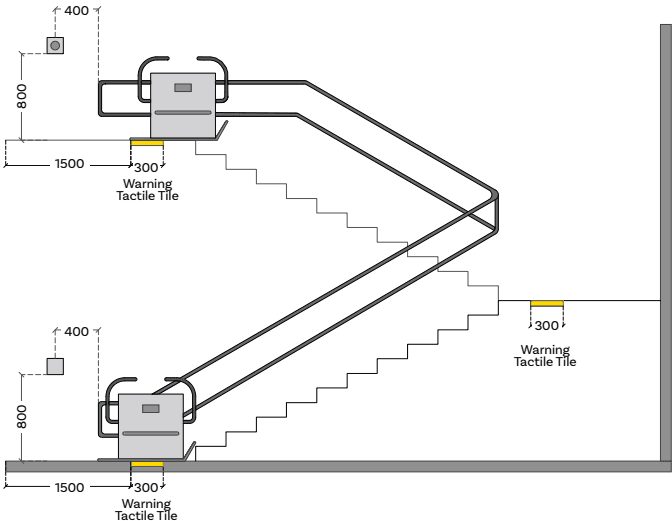
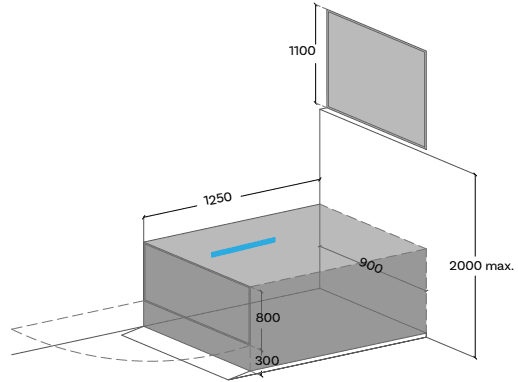
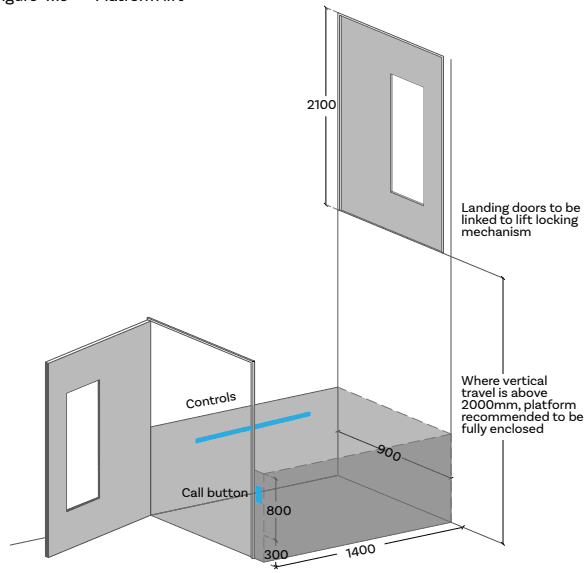
social and technological contexts. Use of various building technologies like stairlifts, platform lifts, audio alarms, beepers, digital signage, etc. This chapter further sheds light on accessibility standards, guidelines and implications for a range of internal elements in diverse building typologies.